
What's Happening?
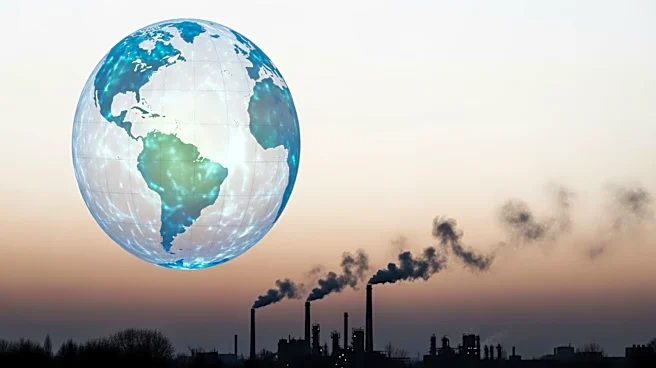
A recent study highlights the overlooked role of the atmosphere in the transport and exposure of microplastics, which are now recognized as a global pollutant. Despite being found in various environments,
including human tissues, most research and policy efforts have focused on aquatic and terrestrial systems. The study calls for a more integrated approach to understanding microplastic pollution, emphasizing the need for standardized atmospheric measurements and the development of new materials and technologies to mitigate environmental impacts.
Why It's Important?
The recognition of atmospheric pathways in microplastic pollution has significant implications for global environmental policy and public health. As microplastics can travel long distances through the air, they pose a widespread risk to ecosystems and human health. The study's findings could influence international negotiations for a global plastics treaty, urging policymakers to consider atmospheric transport in their strategies. Additionally, the development of new materials and technologies could offer innovative solutions to reduce plastic waste and its environmental footprint, potentially leading to more sustainable practices across industries.