





What's Happening?
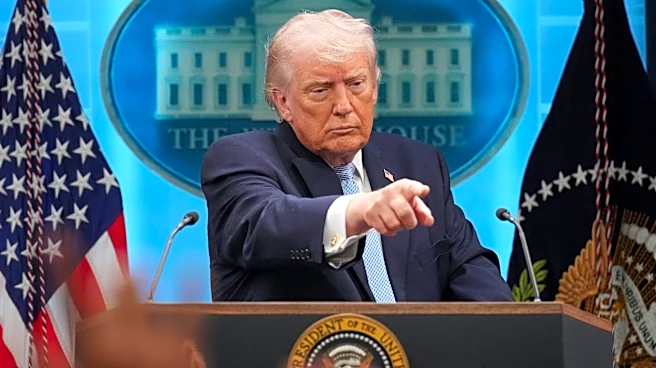
The Gulf States have expressed support for a ceasefire agreement between the United States, Israel, and Iran, despite continued missile and rocket attacks on their facilities. Oman and Saudi Arabia were the first to endorse the ceasefire, which aims to halt
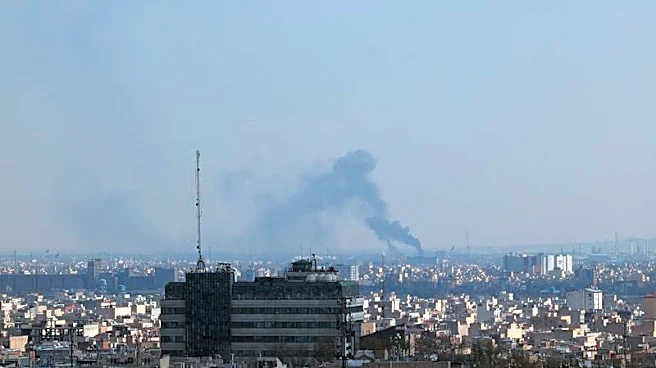
fighting for two weeks and initiate negotiations in Islamabad, Pakistan. Saudi Arabia has called for an end to attacks on Gulf facilities, as reports indicate ongoing missile strikes in Bahrain and the United Arab Emirates. Iranian proxy groups, including Iraq's Islamic Resistance and Lebanon's Hezbollah, have acknowledged the ceasefire. However, Iran continues to launch rockets and drones at Gulf targets, causing injuries and damage in the UAE and Bahrain.
Why It's Important?
The ceasefire agreement is a significant diplomatic development in the Middle East, potentially reducing tensions between major powers and regional actors. The ongoing attacks highlight the fragile nature of peace efforts and the challenges in achieving lasting stability. The Gulf States, crucial for global energy supply, face risks to their infrastructure and economic stability due to these hostilities. The situation underscores the need for effective international diplomacy to safeguard regional security and ensure uninterrupted global supply chains, particularly through strategic locations like the Strait of Hormuz.
What's Next?
Negotiations are set to begin in Islamabad, Pakistan, aiming to establish a more permanent resolution to the conflict. The Gulf States will likely continue to push for security assurances and the cessation of attacks on their facilities. International stakeholders, including the United States and Israel, may engage in further diplomatic efforts to solidify the ceasefire and address underlying tensions. Monitoring of the situation will be crucial to prevent escalation and ensure compliance with the ceasefire terms.