





What's Happening?
China and Russia have expressed significant concern over the ongoing military operations by the U.S. and Israel against Iran, which have escalated tensions in the Middle East. Both nations have called for an immediate cessation of hostilities and a return
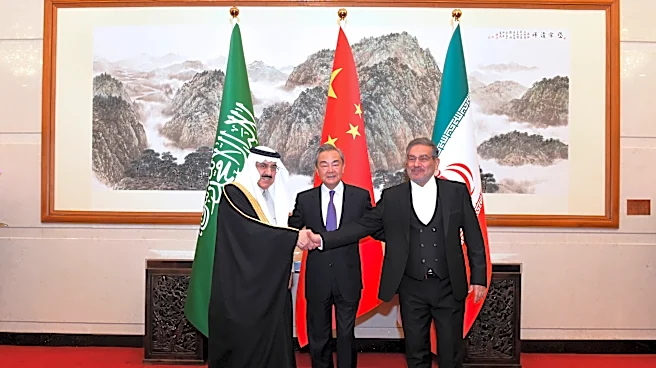
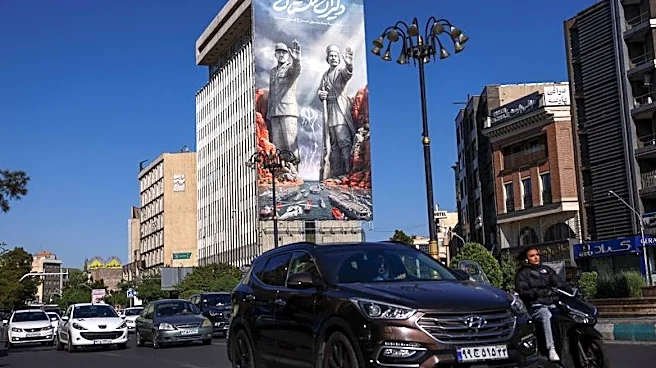
to diplomatic negotiations. The conflict, which began with U.S.-Israel military actions in February 2026, has seen a series of retaliatory strikes and has raised fears of a broader regional conflict. China and Russia have criticized the military actions as violations of international law and have emphasized the importance of respecting Iran's sovereignty and territorial integrity. The situation has prompted emergency meetings at the U.N. Security Council, where both countries have voiced their opposition to the use of force and called for a peaceful resolution.
Why It's Important?
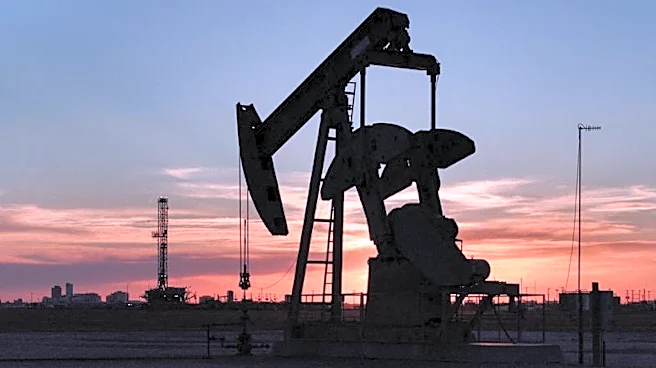
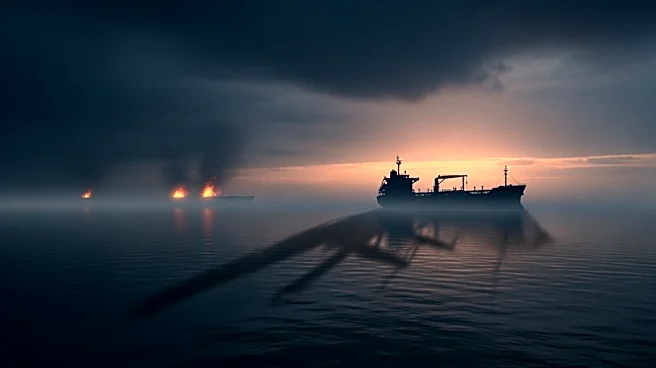
The conflict in the Middle East has significant implications for global stability and economic security. The Strait of Hormuz, a critical chokepoint for global oil supplies, is at risk, potentially disrupting energy markets and affecting economies worldwide. The involvement of major powers like China and Russia highlights the geopolitical stakes, as both countries seek to counter U.S. influence and protect their interests in the region. The situation also underscores the fragility of international diplomatic efforts to address nuclear proliferation and regional security. The potential for further escalation could lead to widespread humanitarian and economic consequences, affecting not only the Middle East but also global markets and international relations.
What's Next?
The international community is closely monitoring the situation, with diplomatic efforts likely to intensify in the coming days. China and Russia are expected to continue their calls for de-escalation and may seek to leverage their influence in international forums to mediate a resolution. The U.S. and Israel's next moves will be critical in determining the trajectory of the conflict. Any further military actions could provoke additional retaliatory strikes, increasing the risk of a broader regional war. The U.N. Security Council may play a pivotal role in facilitating dialogue and preventing further escalation.
Beyond the Headlines
The conflict raises broader questions about the effectiveness of international law and the role of major powers in enforcing global norms. The situation also highlights the challenges of balancing national security interests with the need for diplomatic engagement. The response of the international community, particularly the U.N., will be crucial in shaping the future of global governance and conflict resolution. The crisis may also influence domestic politics in the involved countries, as leaders navigate the complex dynamics of international diplomacy and national security.