




What's Happening?
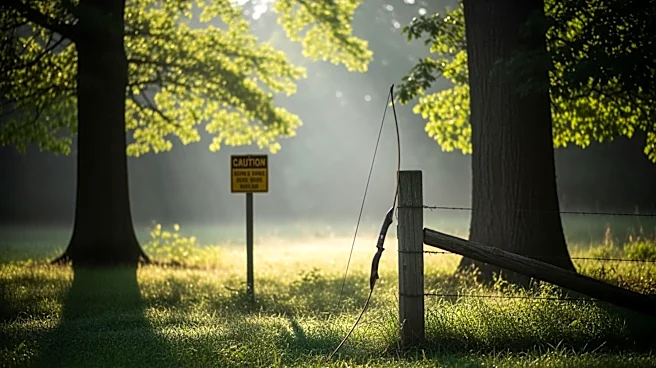
The Interior Department has issued a directive to ease hunting restrictions across dozens of National Park Service (NPS) sites in the United States. This decision follows an internal memo from Interior Secretary Doug Burgum, which calls for the removal
of what are deemed unnecessary barriers to hunting and fishing. The directive affects approximately 76 sites where hunting and trapping are currently regulated for safety and conservation purposes. The move is part of a broader initiative to expand access to hunting and fishing on public lands, as outlined in a January Secretarial Order. The Department of the Interior argues that this approach will enhance public land management by increasing opportunities for sportsmen and women, who are considered key stewards of public lands. However, conservation groups have expressed concerns about the potential impact on visitor safety and wildlife management.
Why It's Important?
The easing of hunting restrictions in national parks has sparked a debate between conservationists and hunting advocates. Proponents argue that hunters and anglers play a crucial role in wildlife conservation and that the new policy will reinforce their legacy. On the other hand, organizations like the National Parks Conservation Association (NPCA) warn that prioritizing hunting access over safety and conservation could undermine the integrity of national parks. The decision could lead to increased hunting activities in areas traditionally reserved for conservation and public enjoyment, potentially affecting wildlife populations and visitor experiences. The policy shift reflects a broader trend of deregulation in public land management, which may have long-term implications for environmental policy and conservation efforts in the U.S.
What's Next?
As the policy is implemented, it is likely to face scrutiny from both supporters and opponents. Conservation groups may push for legal challenges or seek to influence public opinion to reverse or modify the directive. Meanwhile, hunting organizations are expected to advocate for further expansions of access. The Interior Department will need to balance these competing interests while ensuring that hunting activities do not compromise safety or conservation goals. The outcome of this policy could set a precedent for future decisions regarding public land use and management.