
What's Happening?
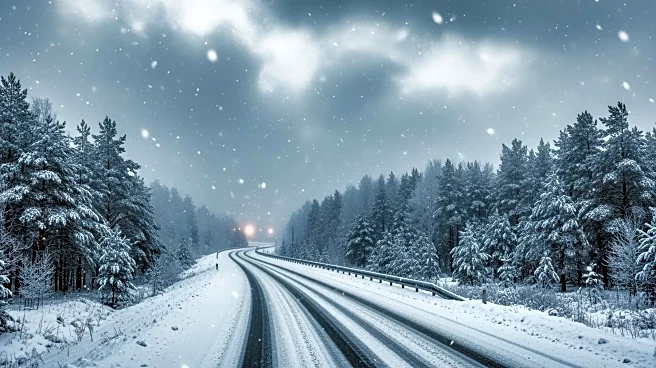
New York Governor Kathy Hochul has expanded an emergency declaration to cover the entire state in anticipation of a severe lake effect snowstorm. The storm, expected to begin on Monday night, could bring
up to three feet of snow in certain areas, with snowfall rates reaching 2 to 3 inches per hour. The emergency declaration, initially issued during a previous snowstorm on Friday, now includes all 62 counties in New York. This measure allows for the temporary suspension of state contracting rules and driving limits for commercial truck drivers. Local officials have also issued warnings, with Madison County advising residents to avoid unnecessary travel from Monday night until Tuesday evening. Onondaga County Executive Ryan McMahon plans to issue a travel advisory as well.
Why It's Important?
The expanded emergency declaration is crucial for managing the anticipated severe weather conditions, which could significantly disrupt daily life and transportation across New York. The ability to suspend certain regulations will facilitate quicker response and recovery efforts, ensuring that resources can be mobilized efficiently. The storm poses a risk to public safety, with potential blizzard-like conditions making travel hazardous. This situation underscores the importance of preparedness and swift governmental action in mitigating the impact of extreme weather events. Residents and businesses across the state may face challenges, including power outages and transportation delays, highlighting the need for community resilience and support.
What's Next?
As the storm approaches, state and local authorities will continue to monitor weather conditions and provide updates to the public. Emergency services are likely to be on high alert, ready to respond to any incidents resulting from the storm. Residents are advised to stay informed through official channels and adhere to travel advisories to ensure their safety. The state may also deploy additional resources to assist affected areas, particularly those expected to receive the heaviest snowfall. The aftermath of the storm will require coordinated efforts for snow removal and restoration of normalcy, with potential long-term impacts on infrastructure and local economies.