




What's Happening?
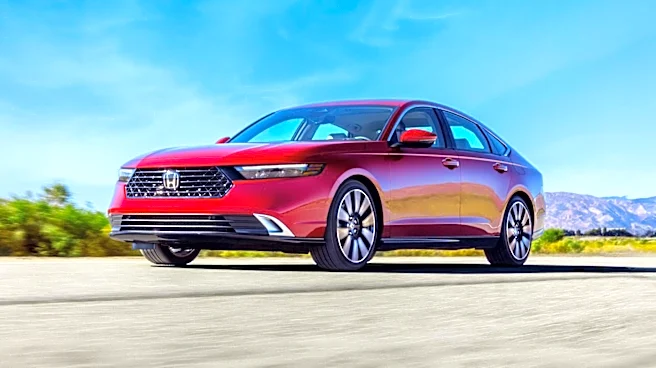
A proposed settlement has received preliminary court approval in a class action lawsuit against American Honda Motor Co., Inc. and Denso International America, Inc. The lawsuit concerns certain Honda and Acura vehicles equipped with low-pressure fuel
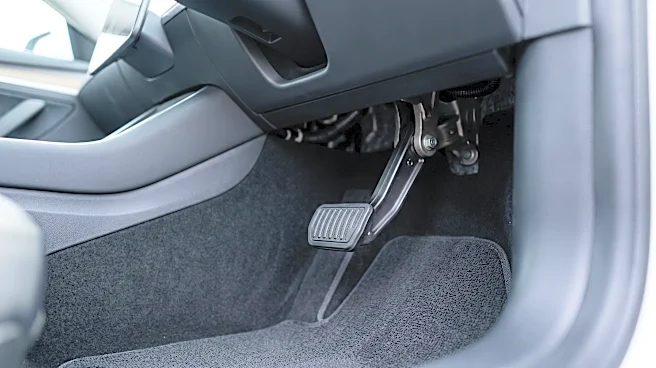
pumps manufactured by Denso, referred to as 'Covered Vehicles.' The settlement aims to provide benefits for repairs related to defects in these fuel pumps, including those installed during previous recalls. Defendants deny the allegations but have agreed to the settlement. The class includes all persons or entities who own, owned, purchased, or leased Covered Vehicles in any of the fifty U.S. states, the District of Columbia, or Puerto Rico. A VIN-lookup tool is available on the settlement website to determine if a vehicle is covered. The settlement offers a limited warranty for fuel pump repairs, a loaner/tow program for eligible repairs, and reimbursement for reasonable, previously paid out-of-pocket expenses incurred for fuel pump repairs or replacements.
Why It's Important?
This settlement is significant for a large number of Honda and Acura owners across the United States, potentially impacting thousands of consumers. The provision of a limited warranty for up to 15 years or 150,000 miles, or 90 days for older vehicles, offers substantial relief for owners who may have experienced or could experience issues with their fuel pumps. The inclusion of a loaner/tow program addresses immediate inconveniences and safety concerns for drivers whose vehicles become inoperable due to the defect. Furthermore, the reimbursement for past out-of-pocket expenses provides financial restitution to those who have already paid for repairs. This action underscores the automotive industry's responsibility to address manufacturing defects and ensures that consumers are protected from the financial burdens and safety risks associated with such issues. It also highlights the role of class action lawsuits in holding manufacturers accountable and securing widespread consumer remedies.
What's Next?
Class Members have several options and deadlines to consider. They can opt-out of the settlement by January 16, 2027, if they do not wish to be legally bound by its terms. Alternatively, Class Members can object to the settlement by the same date if they do not opt-out. Those who do nothing will be bound by the settlement but will only receive out-of-pocket reimbursements if they submit a claim form. A final approval hearing is scheduled for February 18, 2027, where the court will decide whether to approve the settlement, class counsel's attorneys' fees and expenses (up to $16,000,000), service awards for class representatives (up to $5,000 each), and any objections. If approved, the deadline for submitting claim forms for out-of-pocket reimbursement will be 90 days after the court issues the Final Order and Judgment, with the specific date to be posted on the settlement website.
Beyond the Headlines
This settlement extends beyond immediate financial relief, touching upon broader implications for consumer trust and automotive manufacturing standards. The case highlights the critical importance of component reliability, as a single defective part like a low-pressure fuel pump can lead to widespread vehicle issues and safety concerns. For Honda and Denso, this settlement represents a significant financial outlay and a potential impact on their brand reputation, emphasizing the need for stringent quality control throughout the supply chain. From a legal perspective, it reinforces the effectiveness of class action litigation in addressing systemic product defects that affect a large consumer base. The outcome may also influence future manufacturing practices and recall protocols within the automotive industry, potentially leading to more proactive measures in identifying and rectifying defects before they escalate into widespread issues, thereby enhancing overall vehicle safety and consumer confidence.