





What's Happening?
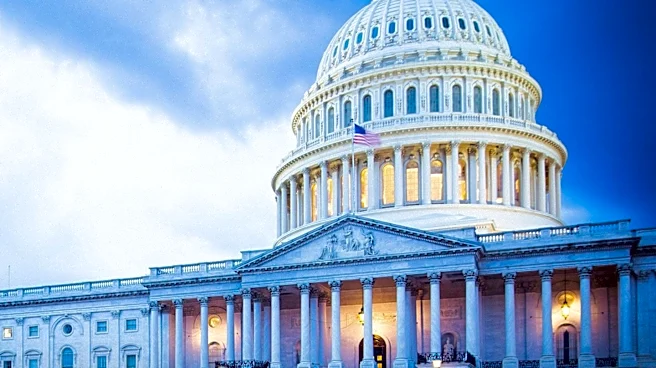
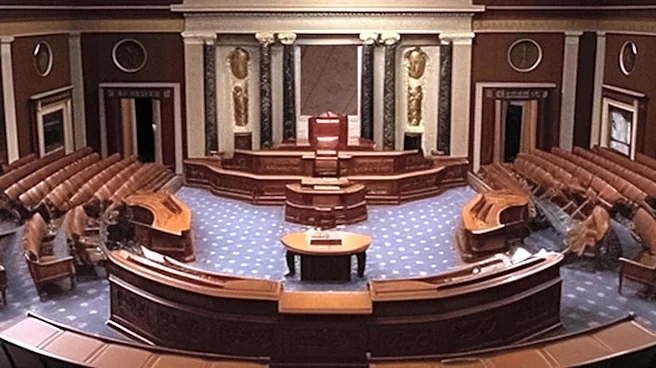
The House of Representatives is scheduled to vote on HR-7934, a bill that would require federal agencies to establish and maintain publicly accessible online databases for certain settlement agreements. These databases would detail information such as whether
the agreement resolves civil or criminal claims, the execution date, alleged statutory violations, attorney's fees, payments made to or by the U.S. government, and the projected duration. The bill would apply to agreements involving at least $10 million in payments, the appointment of a special master or monitor, or those involving state, county, or local governments. Exclusions include agreements related to federal employee personnel actions, non-prosecution agreements, plea bargains, or the Internal Revenue Code. The legislation also aims to apply retroactively to covered agreements entered into on or after January 1, 2015, that remain in effect.
Why It's Important?
This proposed legislation is significant for enhancing transparency and accountability within federal agencies. By mandating public disclosure of settlement agreements, the bill aims to allow Americans to track the terms of these agreements and consent decrees, fostering greater public oversight of government actions and expenditures. The requirement for agencies to publicly explain any decision to keep terms confidential, rather than simply classifying them, represents a move towards more open governance. This increased transparency could deter potential misconduct, ensure more equitable settlements, and provide valuable data for policymakers and the public to assess the effectiveness and fairness of government operations. It also addresses concerns about the opaque nature of some federal settlements, which can involve substantial taxpayer funds and significant policy implications.
What's Next?
Following the scheduled House vote, if HR-7934 passes, it would then move to the Senate for consideration. A similar bill passed the House in a prior Congress but did not advance in the Senate, indicating potential challenges in the upper chamber. If enacted, federal agencies would be tasked with developing and implementing the required online databases, a process that could involve significant logistical and technical efforts. The Office of Management and Budget (OMB) would likely play a role in determining additional criteria for agreements subject to disclosure. Stakeholders, including civil liberties groups, legal organizations, and government transparency advocates, will closely monitor the bill's progress and its implementation, should it become law.
Beyond the Headlines
The push for greater transparency in federal settlement agreements reflects a broader societal demand for open government and accountability. In an era where public trust in institutions is frequently scrutinized, measures like HR-7934 aim to rebuild confidence by making government operations more accessible and understandable. The debate surrounding such legislation often touches upon the balance between public right-to-know and legitimate governmental interests, such as protecting sensitive information or ongoing investigations. The retroactive application of the bill, to the extent practicable, could also lead to a re-evaluation of past agreements, potentially uncovering previously undisclosed details and sparking further public discourse on historical government actions and their consequences.