



What's Happening?
The European Union is actively pursuing a strategy of clean electrification to mitigate energy and cost-of-living crises, which are largely driven by dependence on imported fossil fuels. This strategy is also central to achieving European and international
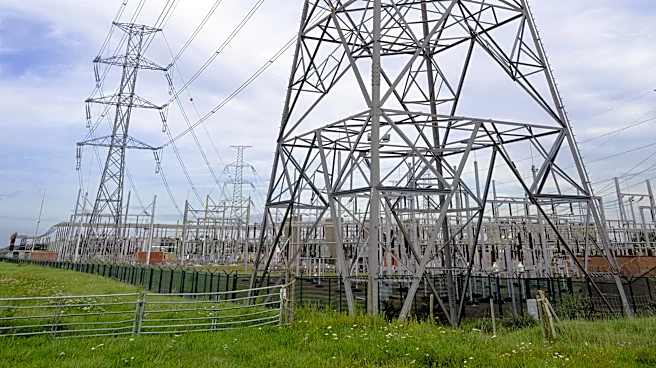
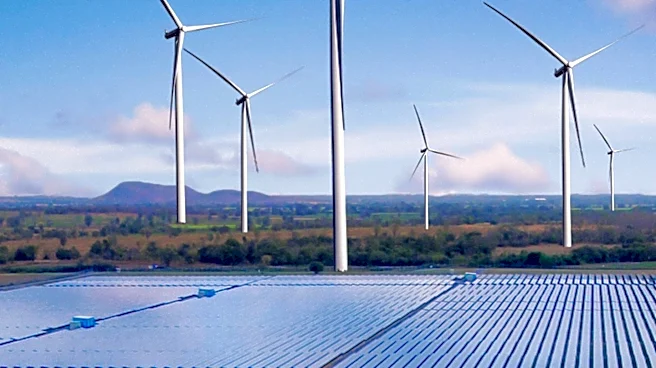
climate goals. A briefing by the European Parliamentary Research Service highlights that switching from fossil fuels to electricity, particularly from domestically produced clean energy sources like renewable and nuclear power, can significantly reduce vulnerabilities to energy import shocks. The EU's electrification action plan sets an ambitious target: 46% of final energy use in 2040 should come from electricity, which is double the current rate. Achieving this will necessitate substantial investments, estimated at €1.3 trillion for EU electricity grids between 2024 and 2040, to develop clean power plants, grids, and storage capacities.
Why It's Important?
The EU's commitment to clean electrification is a critical step towards enhancing energy security and achieving climate objectives. By reducing reliance on imported fossil fuels, the EU aims to insulate its economy from geopolitical instabilities and volatile global energy prices, which have historically led to significant cost-of-living increases. This transition fosters greater energy independence and promotes the growth of domestic clean energy industries, creating jobs and stimulating economic activity within the bloc. The ambitious targets underscore a recognition that electrification is not merely an environmental imperative but a strategic economic and security necessity. The substantial investment required also signals a major shift in infrastructure development, prioritizing sustainable and resilient energy systems for the future.
What's Next?
The EU's electrification action plan will guide energy and industrial policies in the coming years, with a strong focus on mobilizing the necessary €1.3 trillion investment for grid infrastructure, clean power generation, and storage. This will involve a combination of public and private funding, regulatory frameworks to incentivize renewable energy development, and cross-border cooperation to ensure grid stability and energy flow. The Turkish presidency of the COP31 climate conference has also proposed a global target to electrify 35% of the world economy by 2035, indicating a broader international movement towards electrification. The success of these initiatives will depend on effective policy implementation, technological advancements, and sustained political will to overcome challenges related to infrastructure development and market integration.
Beyond the Headlines
The push for clean electrification in the EU represents a fundamental re-imagining of its energy system, moving beyond incremental changes to a transformative shift. This transition has profound implications for various sectors, including transportation, industry, and heating, as they increasingly adopt electric solutions. Beyond the immediate economic and environmental benefits, clean electrification can foster greater technological innovation and create new industries, positioning the EU as a leader in green technologies. However, the scale of investment and infrastructure development required also presents challenges, including potential impacts on land use, resource availability for manufacturing, and the need for robust cybersecurity measures for interconnected grids. The long-term success will hinge on ensuring a just transition that addresses potential social and economic disparities arising from this massive energy overhaul.