








What's Happening?
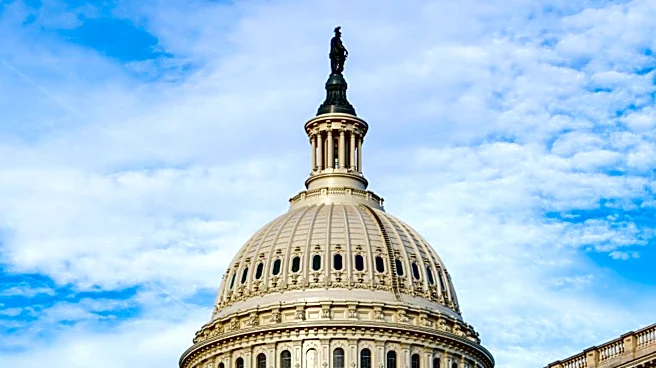
The U.S. Senate Special Committee on Aging recently held its first-ever hearing dedicated to menopause, titled 'Half the Country, Zero Hearings: Meeting the Moment to End the Menopause Care Gap in America.' Chaired by Senator Rick Scott (R-FL) and Ranking
Member Senator Kirsten Gillibrand (D-NY), the hearing brought together medical experts, researchers, and women's health advocates to discuss significant deficiencies in menopause research, physician training, and access to treatment. Approximately 2 million women enter menopause annually, experiencing symptoms that can severely impact daily life, including hot flashes, insomnia, mood changes, and brain fog. Senator Gillibrand highlighted that less than 1% of federal women's health research funding is allocated to menopause, and about 80% of OB-GYN residents feel unprepared to discuss menopause. Dr. Jean Wactawski-Wende, a SUNY Distinguished Professor, testified that federal funding for menopause research is inadequate, noting a lack of clinical trials in postmenopausal women. The committee also heard about the economic cost of menopause, estimated by a Mayo Clinic study at $26.6 billion annually, including $1.8 billion in lost work time.
Why It's Important?
This congressional hearing marks a pivotal moment in elevating menopause from a privately managed health issue to a public health priority in the U.S. The identified 'menopause care gap' has profound implications for millions of American women, affecting their quality of life, productivity, and overall health. The lack of adequate research and physician training means many women do not receive appropriate diagnosis or treatment, leading to prolonged suffering and potential misattribution of symptoms to normal aging, particularly concerning mental health issues like depression. The economic impact, with billions lost annually due to reduced work time and healthcare costs, underscores the broader societal burden. Addressing these gaps could lead to improved health outcomes for women, enhance workforce participation, and reduce healthcare expenditures. Furthermore, the bipartisan call for a Government Accountability Office (GAO) review signals a serious intent to identify systemic issues and pave the way for policy changes that could significantly improve menopause care nationwide.
What's Next?
Senators Scott and Gillibrand have sent a bipartisan letter requesting the Government Accountability Office (GAO) to examine federal coordination and funding for menopause research and care. The findings from this GAO report are expected to identify specific gaps in research, education, and treatment, which could inform future legislative actions. Lawmakers are also being urged to pass several federal bills aimed at increasing research and attention to women's health, including the Advancing Menopause Care and Midlife Women’s Health Act, the Service Women and Veterans Menopause Research Act, and the Hormone Health Data and Research Act. Additionally, there is a push to incorporate menopause education into medical residency accreditation standards, particularly for OB-GYNs, to ensure future healthcare providers are better equipped to manage menopausal symptoms. The FDA's recent changes to 'black box' warnings for hormone replacement therapies also indicate a shift towards more nuanced treatment guidelines, which may lead to increased access and utilization of these therapies.
Beyond the Headlines
The Senate hearing on menopause care highlights a deeper, long-standing issue within the U.S. healthcare system: the historical under-prioritization and under-research of women's health issues. For generations, menopause has been a stigmatized topic, often dismissed or attributed to personal failings rather than recognized as a complex physiological transition. This lack of attention has led to a significant disparity in medical knowledge and care compared to other health conditions. The emergence of new non-hormonal treatments like Veoza and Lynkuet, alongside a re-evaluation of hormone therapy, signifies a growing recognition of the diverse needs of menopausal women. The call for improved physician training and evidence-based care also addresses the ethical imperative to provide comprehensive and respectful healthcare. This movement could foster a cultural shift, encouraging open dialogue about menopause and empowering women to seek and receive the care they deserve, ultimately challenging the societal expectation for women to 'suffer in silence.'