

What's Happening?
European Commission President Ursula von der Leyen announced the provisional implementation of a significant trade deal between the European Union (EU) and the Mercosur bloc of South American nations. This decision comes despite the lack of approval from
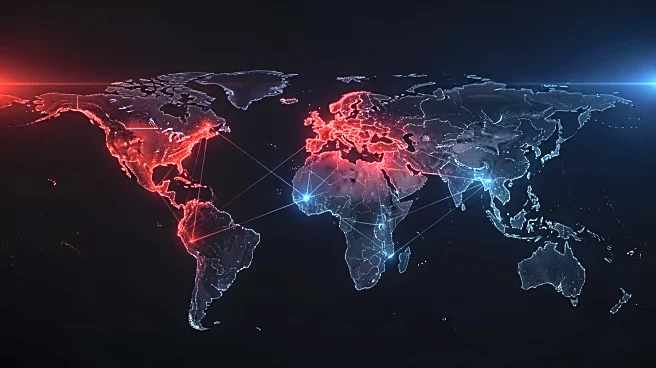
the European Parliament. The trade agreement aims to establish one of the world's largest free trade zones, impacting over 700 million people and accounting for a quarter of global GDP. However, the deal has faced criticism from European agricultural sectors and environmental groups, and it is expected to encounter resistance from EU lawmakers. French President Emmanuel Macron expressed surprise and concern over the move, emphasizing the need for strict adherence to protections for farmers and health standards. The deal is seen as a strategic response to global trade disruptions, including tariffs from the United States and supply chain issues with China.
Why It's Important?
The provisional implementation of the EU-Mercosur trade deal is significant as it represents a major step in the EU's efforts to strengthen its global trade position amidst increasing economic uncertainties. The agreement is expected to enhance economic ties between Europe and South America, potentially boosting prosperity and growth for businesses and citizens on both continents. However, the move has sparked controversy due to concerns over democratic processes and the potential impact on European agriculture and environmental standards. The decision to bypass the European Parliament's approval could lead to political tensions within the EU and raise questions about the balance of power between EU institutions. The outcome of this trade deal could influence future EU trade policies and its approach to international agreements.
What's Next?
The provisional implementation of the EU-Mercosur trade deal is likely to face legal and political challenges. European lawmakers have already voted to challenge the deal at the European Court of Justice, which could delay or even derail the agreement. Additionally, the European Parliament's consent is required for the deal to be fully concluded, suggesting that further negotiations and discussions will be necessary. Stakeholders, including EU member states and various interest groups, are expected to continue advocating for their positions, potentially influencing the final terms of the agreement. The situation will require careful navigation to ensure that the deal aligns with EU values and standards while addressing the concerns of affected parties.
Beyond the Headlines
The decision to provisionally implement the EU-Mercosur trade deal highlights broader issues related to democratic governance and the role of supranational institutions in shaping international trade policies. The move has been criticized as undermining democratic processes, raising questions about transparency and accountability within the EU. Additionally, the deal's environmental implications are a point of contention, as critics argue that it could compromise the EU's commitment to sustainability and climate goals. The situation underscores the complex interplay between economic interests, political power, and ethical considerations in global trade negotiations.