





What's Happening?
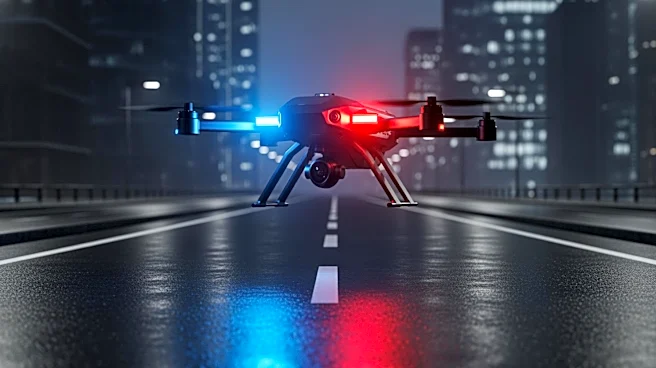
A new tool designed to end high-speed police chases is facing criticism for its cost and questionable effectiveness. The device, which costs taxpayers at least $5,000 per unit, is intended to safely stop fleeing vehicles. However, there is skepticism
about its practicality and success rate. The manufacturer claims an 86% success rate, but this statistic lacks independent verification. Critics argue that the tool is another expensive addition to the Los Angeles Police Department's budget, which already allocates significant funds to high-speed chase operations. Concerns are raised about the feasibility of deploying the device at high speeds without endangering bystanders or other drivers.
Why It's Important?
The introduction of this tool highlights ongoing debates about police spending and the effectiveness of high-speed chase interventions. High-speed chases pose significant risks to public safety, often resulting in accidents and fatalities. The financial burden of such tools on taxpayers is also a point of contention, especially when their effectiveness is unproven. This situation underscores the need for a balanced approach to law enforcement that prioritizes public safety and fiscal responsibility. The criticism reflects broader concerns about the militarization of police forces and the allocation of public funds.
What's Next?
The debate over the use of this tool may prompt further scrutiny of police budgets and the methods used to handle high-speed chases. Law enforcement agencies might need to explore alternative strategies that minimize risks to public safety while effectively apprehending suspects. Public pressure could lead to policy changes or the development of new technologies that offer safer and more cost-effective solutions. Additionally, there may be calls for increased transparency and accountability in the evaluation of such tools' effectiveness.