






What's Happening?
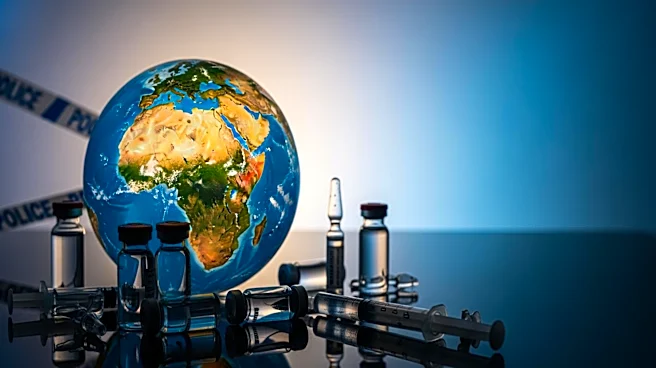
The World Health Organization (WHO) has reported that vaccination programs in Africa have saved millions of lives over the past two decades. However, the organization warns that progress is at risk due to U.S. aid cuts and the ongoing conflict in Iran.
The WHO's analysis shows that vaccines have prevented over 4 million deaths annually, with significant achievements such as the eradication of wild poliovirus and the introduction of malaria vaccines in 25 countries. Despite these successes, the COVID-19 pandemic has increased the number of children who have never received a vaccine, and aid cuts under President Trump's 'America First' policy have further strained resources. The U.S. withdrawal from WHO has resulted in a significant loss of funding, and the Iran conflict is disrupting supply chains, affecting health facilities reliant on generators.
Why It's Important?
The reduction in U.S. aid and the geopolitical instability in the Middle East pose serious threats to the sustainability of vaccination programs in Africa. These programs are crucial for preventing diseases and improving public health across the continent. The loss of funding and supply chain disruptions could lead to increased mortality rates and hinder efforts to combat diseases like malaria and polio. The situation underscores the need for African nations to increase domestic health financing and for international cooperation to ensure continued support for these vital health initiatives. The potential rollback of vaccination progress could have long-term implications for global health security.