
What's Happening?
Steve, a long-time volunteer at Humane Colorado, has dedicated over 1,000 hours to walking dogs, leading to a significant change in his perspective on Pit Bulls. Initially wary due to past breed-specific
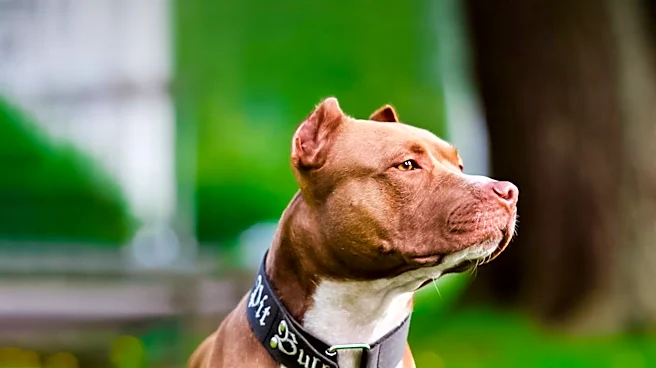
legislation in Denver, which banned dogs with Pit Bull physical traits for over 30 years, Steve's direct interactions at Humane Colorado have transformed his views. He now describes Pit Bulls, which constitute approximately 18% of the shelter's canine population, as 'the nicest in the world.' His volunteer work often involves walking fearful Pit Bulls or those with reservations about men to boost their adoptability, building trust through consistent interaction. This personal experience aligns with broader policy changes in Colorado, including the 2020 repeal of Denver's Pit Bull Ban and recent legislation prohibiting insurers from denying homeowner's policies based on a dog's breed.
Why It's Important?
This story is important because it highlights the impact of personal experience and advocacy in challenging long-held stereotypes and influencing public policy regarding animal welfare. The shift in Denver's legislation, from a 30-year ban to more nuanced regulations, reflects a growing understanding that breed-specific laws are often ineffective and harmful. For Pit Bulls and their owners, these changes mean greater acceptance and fewer barriers to adoption and housing. The narrative also underscores the power of individual volunteers like Steve in promoting responsible pet ownership and dispelling myths, which can lead to more compassionate community attitudes towards all dog breeds. Economically, the prohibition against breed-based insurance discrimination benefits homeowners and promotes fairness in the insurance industry, preventing arbitrary penalties based on pet ownership.
What's Next?
The ongoing efforts by volunteers like Steve and organizations like Humane Colorado are expected to continue fostering a more positive perception of Pit Bulls. This could lead to further reductions in breed-specific legislation across other U.S. communities, as more people gain direct experience with these dogs. Advocacy groups will likely continue to push for policies that focus on individual dog behavior rather than breed, promoting responsible pet ownership and training. Educational campaigns, similar to October's Pit Bull Awareness Month, will remain crucial in dispelling misinformation and encouraging adoption. The success in Colorado may serve as a model for other states and cities considering reforms to their animal control laws, potentially leading to a nationwide trend towards more inclusive and evidence-based approaches to pet legislation.
Beyond the Headlines
The story of Steve's change of heart regarding Pit Bulls delves into deeper societal issues concerning prejudice and the power of personal interaction to overcome preconceived notions. The historical context of breed-specific legislation reflects a tendency to generalize and stigmatize based on appearance rather than individual character, a pattern seen in various forms of discrimination. The shift in public and legislative opinion in Colorado suggests a growing societal capacity for empathy and critical thinking, moving away from fear-based policies towards more nuanced, evidence-based approaches. This narrative also highlights the profound bond between humans and animals and the therapeutic benefits of volunteering. Steve's artistic endeavors, creating sculptures to honor the dogs, further illustrate the deep emotional connection and respect that can develop, transforming perceptions and advocating for a marginalized group within the animal kingdom.