






What's Happening?
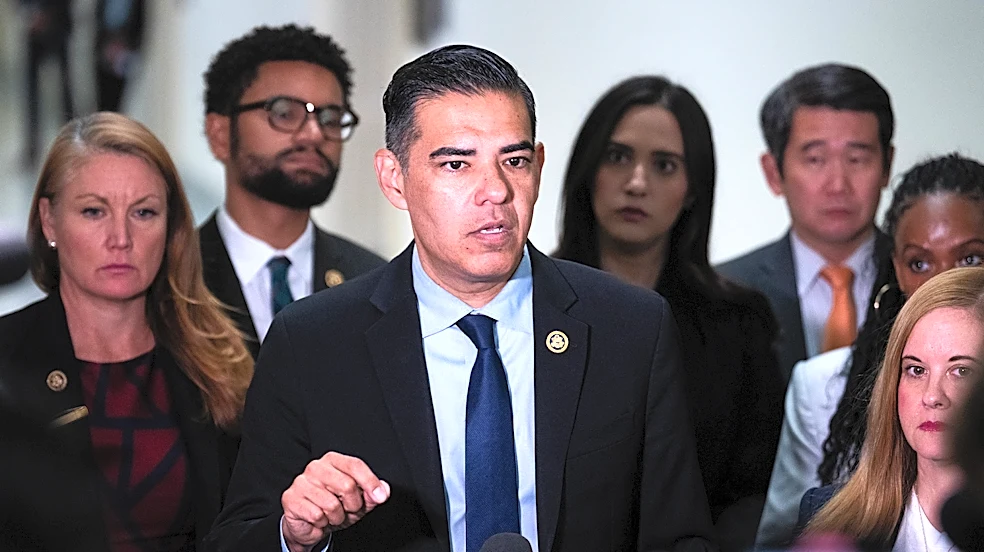
U.S. Representative Ritchie Torres announced his intention to introduce the 'Power To The Players Act.' This proposed legislation aims to safeguard consumers' rights regarding the ownership and playability of video games they purchase. The bill seeks
to direct the Federal Trade Commission (FTC) to establish regulations ensuring that buying a game grants consumers actual ownership, rather than just a license to play. A key provision of the bill mandates that games with online functionalities must offer an offline mode before their servers are shut down, allowing players to continue accessing their purchased titles. Representative Torres highlighted the case of NBA 2K25, which is slated to become unplayable due to server shutdowns, as an example of the issues the bill intends to address. The initiative is currently an official legislative announcement and will require formal introduction, committee review, and voting procedures in Congress to become law. No co-sponsors have been confirmed at this stage.
Why It's Important?
This proposed legislation is significant for the U.S. video game industry and its consumers, potentially redefining the relationship between players and game publishers. If enacted, the 'Power To The Players Act' would shift the legal framework from a licensing model to one of true ownership for digital games, impacting how games are sold, distributed, and maintained. Consumers stand to gain greater control over their purchased games, ensuring continued access even after online services are discontinued, and potentially gaining rights to transfer or resell games. For game developers and publishers, this could necessitate substantial changes to their terms of service, game design, and server maintenance strategies, particularly for titles heavily reliant on online connectivity. The bill addresses a growing concern among players about the longevity and value of their digital game purchases, especially as more games transition to online-only models or have their servers shut down, rendering them unplayable. This could set a precedent for digital content ownership beyond just video games.
What's Next?
The next step for the 'Power To The Players Act' is its formal introduction in Congress by Representative Torres. Following introduction, the bill will undergo committee review, where it will be debated, potentially amended, and voted upon. If it passes through committee, it would then proceed to a vote in the House of Representatives. Should it pass the House, it would move to the Senate for similar processes before potentially being sent to the President for signature into law. The bill's journey through Congress will likely involve discussions with stakeholders from the video game industry, consumer advocacy groups, and legal experts. The lack of confirmed co-sponsors at this early stage suggests that building bipartisan support will be crucial for its progression. The outcome will determine whether the FTC is directed to establish new regulations governing digital game ownership and server shutdown protocols.
Beyond the Headlines
The 'Power To The Players Act' delves into the complex and evolving legal landscape of digital ownership in the 21st century. Beyond the immediate impact on video games, this legislation could spark broader conversations about consumer rights in the digital realm, particularly concerning software, digital media, and other online services. The concept of 'ownership' versus 'licensing' for digital products has been a contentious issue, with companies often retaining significant control over content even after a purchase. This bill challenges that paradigm, potentially setting a precedent for how digital goods are treated legally. It also highlights the ethical implications of planned obsolescence in digital products, where server shutdowns can effectively erase a consumer's investment. The debate around this bill could influence future policies on data portability, digital preservation, and the long-term accessibility of digital cultural artifacts, extending its relevance far beyond the gaming community to encompass broader digital consumer protections.