




What's Happening?
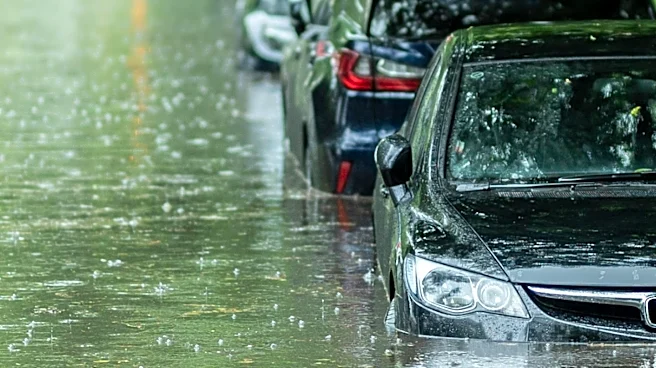
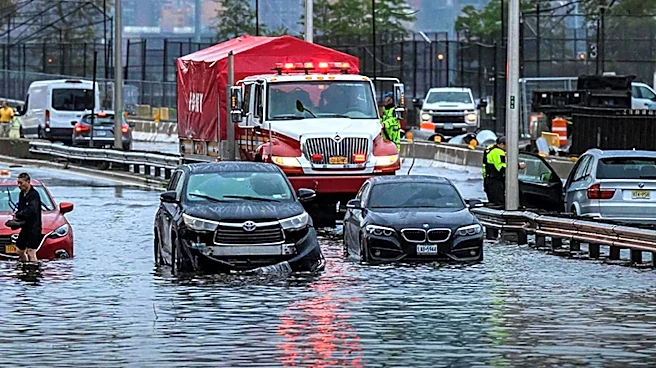
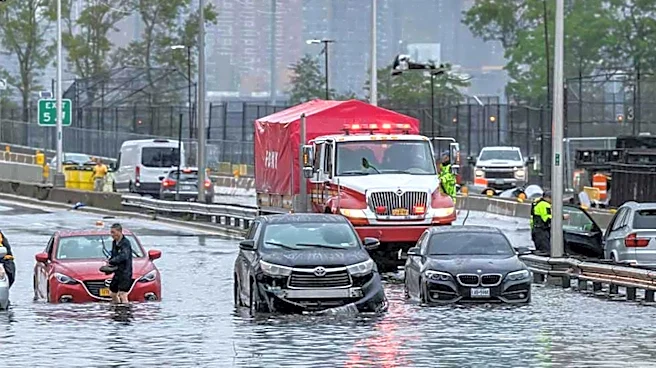
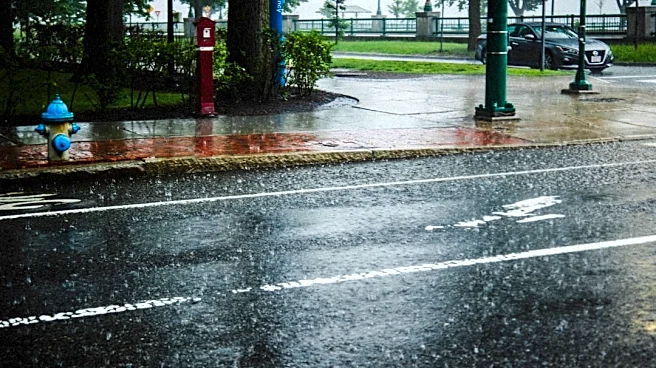
Several communities in Rhode Island, including Cranston and West Warwick, experienced significant flooding and property damage due to heavy weekend rains. In West Warwick, a property owner reported to NBC-10 News that floodwaters led to the collapse of
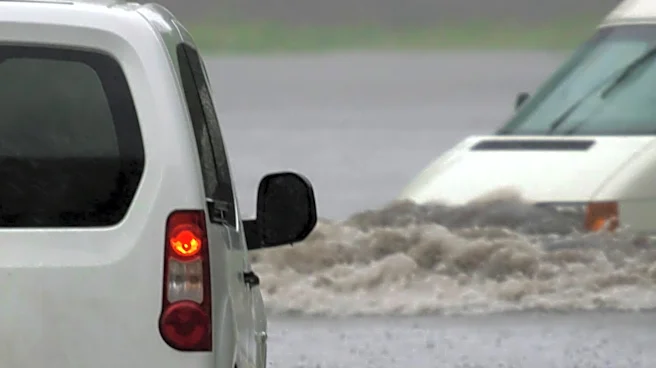
a retaining wall at his Newell Street home. Additionally, at least one building located on Andrews Avenue in West Warwick required evacuation as a direct result of the flooding. The intense rainfall created challenging driving conditions and left standing water across various roads in the affected areas. While the immediate flooding has since receded, the regions are now in the process of drying out, assessing the full extent of the damage caused by the inclement weather.
Why It's Important?
The recent heavy rainfall and subsequent flooding in Rhode Island highlight the vulnerability of local infrastructure and residential properties to severe weather events. For homeowners in areas like West Warwick, the collapse of retaining walls and the need for evacuations represent significant financial burdens and safety concerns. The disruption to daily life, including difficult driving conditions and road closures, underscores the broader economic impact on local businesses and commuters. This event serves as a reminder of the increasing frequency and intensity of extreme weather patterns, which can strain emergency services and local government resources. The need for robust urban planning, improved drainage systems, and community preparedness becomes more critical as such events continue to occur, affecting property values and the overall well-being of residents.
What's Next?
Following the subsidence of floodwaters, the immediate next steps for affected Rhode Island communities will involve damage assessment and recovery efforts. Property owners, particularly those in West Warwick who experienced structural damage like the retaining wall collapse, will likely be engaging with insurance companies and contractors to initiate repairs. Local authorities will need to evaluate the effectiveness of existing drainage systems and potentially consider infrastructure improvements to mitigate future flooding risks. Residents will also be focused on cleaning up and restoring their homes and businesses. There may be discussions at the municipal level regarding emergency response protocols and public awareness campaigns to better prepare for similar weather events in the future, ensuring a more resilient community response.
Beyond the Headlines
The flooding in Rhode Island extends beyond immediate property damage, touching upon broader issues of climate resilience and urban development. The collapse of a retaining wall, for instance, points to potential vulnerabilities in older infrastructure or construction practices that may not be adequate for current weather extremes. This event could prompt a re-evaluation of building codes and zoning regulations in flood-prone areas. Furthermore, the repeated occurrence of such weather events can lead to increased insurance premiums for residents and businesses, potentially impacting property affordability and economic growth in affected regions. The long-term implications include a potential shift in population demographics as residents consider relocating from high-risk areas, and a greater emphasis on sustainable urban planning that incorporates green infrastructure to manage stormwater runoff more effectively.