



What's Happening?
A group of U.S. representatives, including Brad Schneider, Gus Bilirakis, Jake Auchincloss, Dan Goldman, Craig Goldman, and Haley Stevens, have written to Secretary of State Marco Rubio and U.S. International Development Finance Corporation CEO Ben Black.
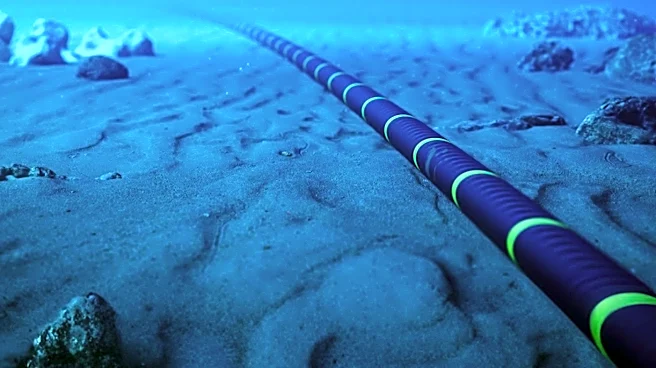
They are advocating for the prioritization of the Great Sea Interconnector (GSI) project, which aims to link the energy grids of Greece, Cyprus, and Israel. This initiative is part of the broader India-Middle East-Europe Economic Corridor (IMEC). The representatives emphasize the strategic importance of the GSI in enhancing energy security and fostering regional stability and cooperation in the Eastern Mediterranean.
Why It's Important?
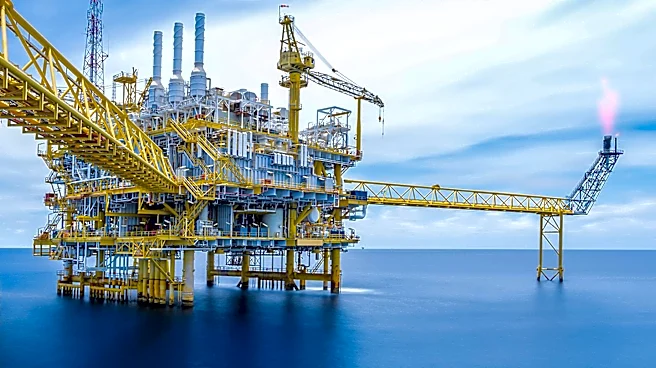
The Great Sea Interconnector project is significant as it represents a critical infrastructure development that could bolster energy security in the Eastern Mediterranean. By linking the energy grids of Greece, Cyprus, and Israel, the project aims to create a more resilient and interconnected energy network. This could reduce dependency on single energy sources and enhance the stability of energy supplies in the region. For the U.S., supporting such projects aligns with strategic interests in promoting regional stability and economic cooperation, potentially opening new avenues for diplomatic and economic engagement in the area.
What's Next?
The U.S. government's response to the representatives' request could influence the project's progress. If prioritized, the GSI could receive increased attention and resources, potentially accelerating its development. The project's success could also encourage further investments in similar infrastructure projects within the IMEC framework. Stakeholders, including political leaders and energy companies, may closely monitor the U.S. government's stance, as it could impact future energy policies and international collaborations in the region.