




What's Happening?
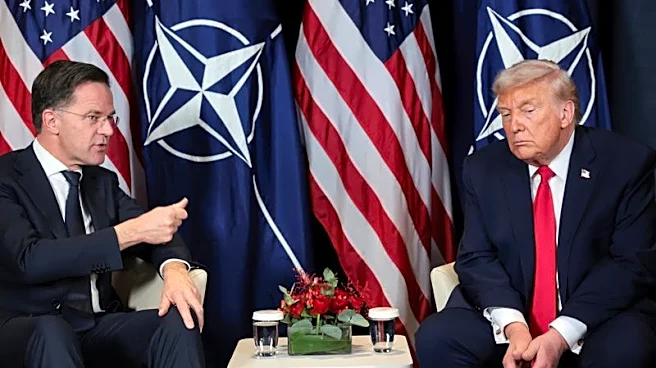
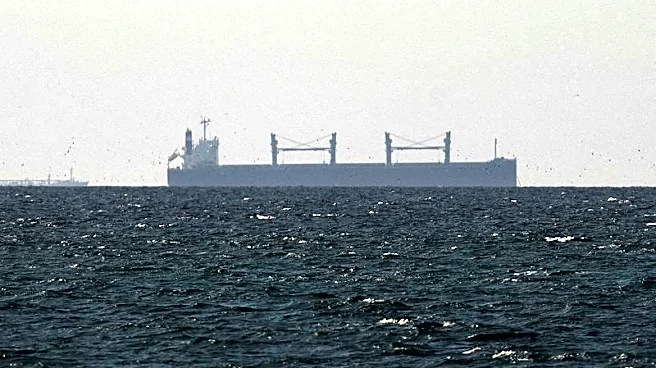
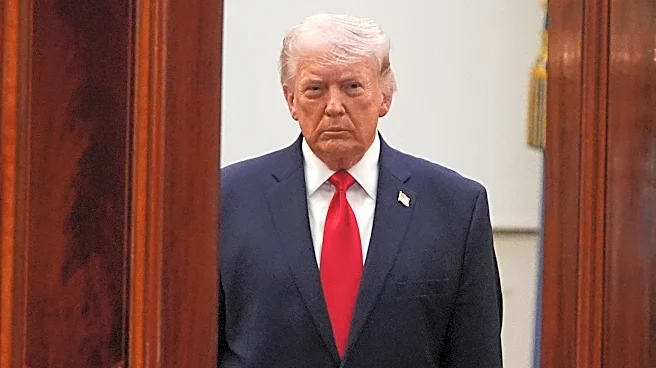
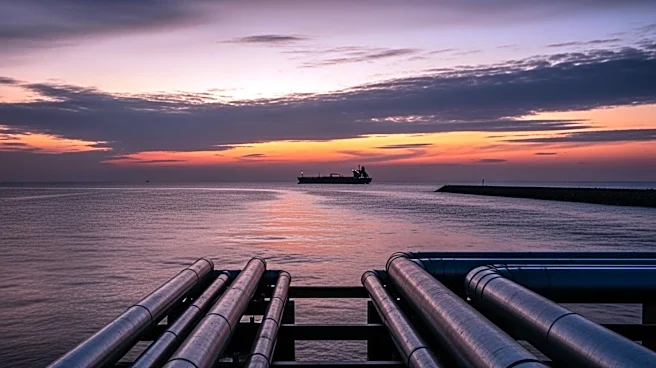
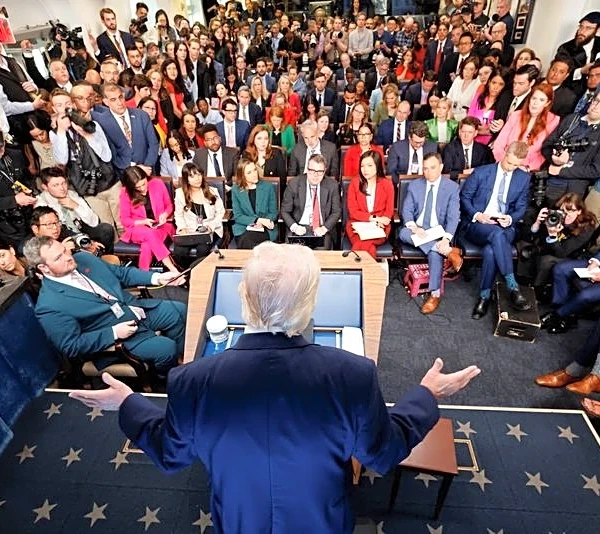
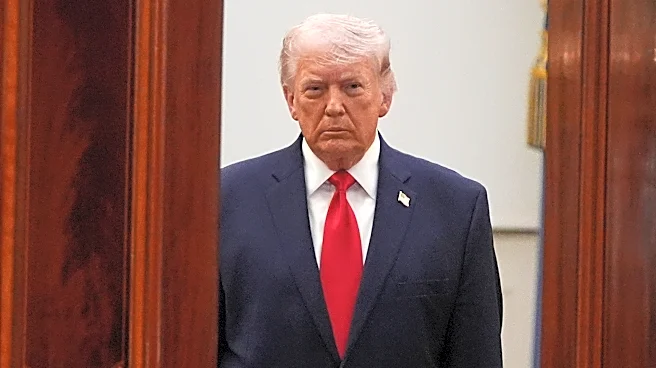
President Donald Trump has intensified his criticism of European allies over their energy security strategies, particularly in light of the ongoing crisis at the Strait of Hormuz. Trump urged European nations to become more self-reliant in securing their energy supplies,
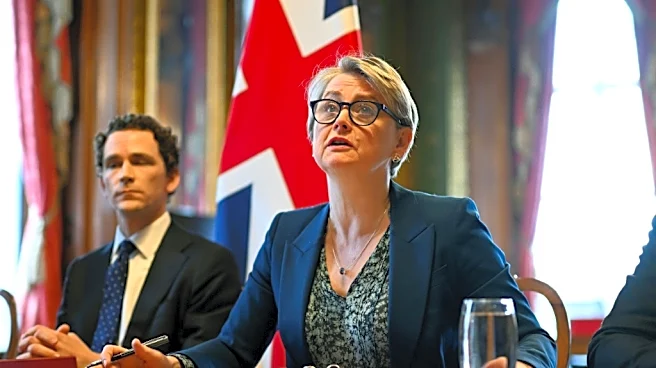
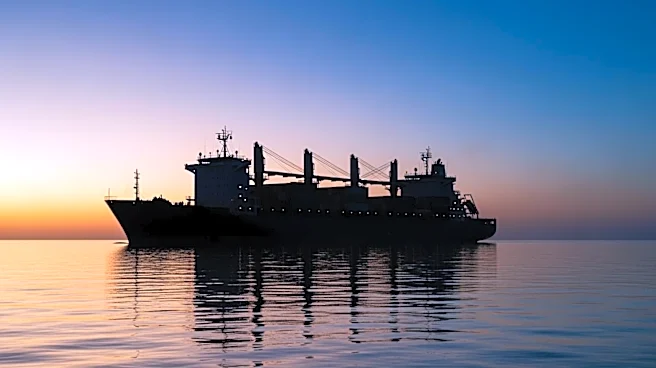
suggesting they should 'get their own oil' and 'learn to fight for themselves.' This rhetoric comes as British Prime Minister Keir Starmer convenes a virtual summit with European and Asian allies to address the blockade at the Strait of Hormuz. The summit aims to focus on diplomatic efforts to reopen the strait and ensure energy security for the region.
Why It's Important?
Trump's comments highlight ongoing tensions between the U.S. and Europe regarding energy policies and defense spending. The crisis at the Strait of Hormuz underscores the vulnerability of European energy supplies and the need for strategic planning. Trump's call for Europe to take more responsibility for its energy security could lead to shifts in international relations and defense strategies. The situation also raises questions about Europe's commitment to its net-zero targets and the balance between environmental goals and energy needs. The outcome of the summit could have significant implications for global energy markets and geopolitical dynamics.
What's Next?
The virtual summit led by Prime Minister Starmer will be a critical moment for European and Asian allies to coordinate their response to the Hormuz crisis. The discussions may lead to new diplomatic initiatives or agreements aimed at securing energy supplies and reopening the strait. European countries may also need to reassess their energy policies and defense capabilities in light of Trump's criticisms. The situation could prompt further debates within the EU about energy independence and the role of military power in securing strategic interests.