







What's Happening?
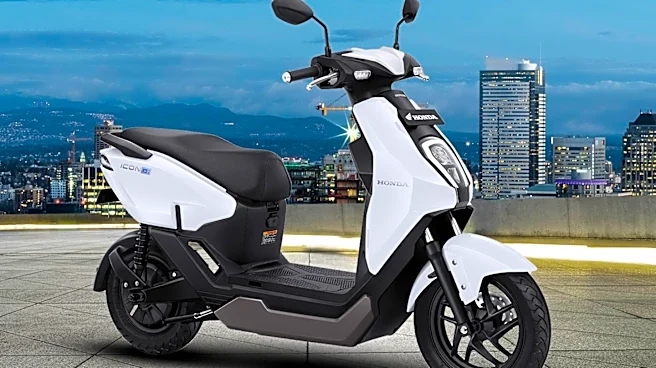
The Kansas City Council has introduced new regulations for electronic bicycles, scooters, and motorcycles, aiming to improve safety and reduce accidents. The legislation categorizes these vehicles into e-bikes, scooters, and electronic motorcycles, setting
specific age requirements, speed limits, and usage areas for each. A 120-day education period will precede the enforcement of these rules. Mayor Quinton Lucas, who sponsored the ordinance, emphasized the importance of safety, particularly for young users, by preventing high-speed travel on sidewalks. The ordinance aligns Kansas City with neighboring areas like Overland Park and Olathe, which have similar regulations. The new rules mandate helmet use for riders under 18 and set speed limits of 15 mph on sidewalks and 20 mph in bike lanes for e-bikes and scooters. E-motos are restricted to roads, similar to regular vehicles.
Why It's Important?
The introduction of these regulations is significant as it addresses the rising popularity and associated injuries of e-bikes and scooters. By implementing age and speed restrictions, the city aims to reduce accidents and enhance public safety. This move is particularly crucial given the increase in e-bike and e-scooter-related injuries, which have surged in recent years. The ordinance also reflects a broader trend of cities adapting to new transportation modes while balancing safety and accessibility. The regulations could impact local businesses, requiring them to inform customers of the new rules, and may influence the behavior of riders, potentially reducing the number of accidents and emergency visits.
What's Next?
Following the education period, the city will begin enforcing the new regulations. Violations will initially result in warnings, with subsequent offenses leading to citations and potential safety class requirements. The city will monitor the impact of these regulations on safety and may adjust them based on feedback from stakeholders, including advocacy groups like BikeWalkKC. This group has expressed concerns about certain aspects of the ordinance, such as speed limits in bike lanes and helmet requirements, and may continue to advocate for modifications. The city will likely evaluate the effectiveness of these measures in reducing accidents and consider further adjustments to ensure the regulations meet safety goals without imposing undue burdens on riders.
Beyond the Headlines
The ordinance raises broader questions about urban transportation policy and the balance between regulation and accessibility. While the regulations aim to enhance safety, they also highlight potential enforcement challenges and the need for equitable access to safety gear like helmets. The requirement for helmets, without a corresponding program to provide them, could disproportionately affect lower-income riders. Additionally, the speed limits in bike lanes may discourage the use of e-bikes, which are popular for their efficiency and speed. These issues underscore the complexity of integrating new transportation technologies into urban environments and the need for policies that consider diverse stakeholder perspectives.