

What's Happening?
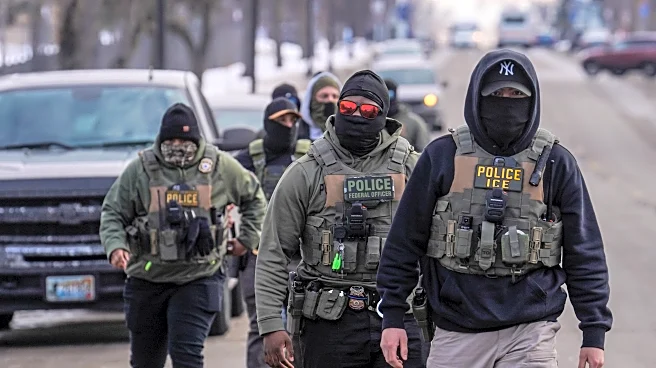
Governor Gretchen Whitmer has publicly rejected President Trump's suggestion that the federal government might 'take over' aspects of election operations in certain cities, including Detroit, before the 2026 midterms. President Trump referenced alleged
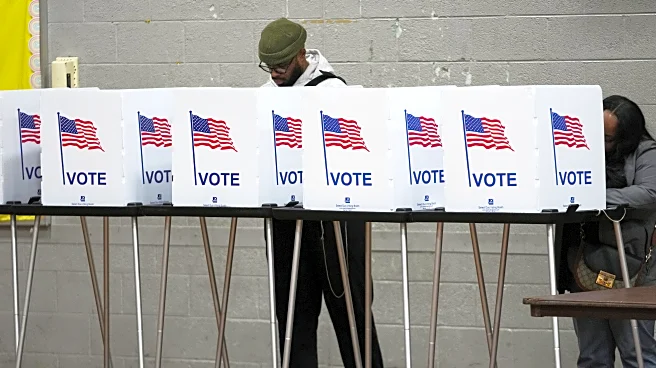
fraud in the 2020 elections in cities like Detroit, Philadelphia, and Atlanta, proposing the deployment of federal agents to count votes in these areas. Whitmer responded by affirming the security and integrity of Michigan's elections, which are managed at the state level. She emphasized that any federal intervention would infringe upon Michiganders' constitutional right to vote. Whitmer highlighted Michigan's decentralized election system, which involves over 1,600 local clerks who certify results accurately, regardless of the election outcome. Michigan Democratic Party Chair Curtis Hertel supported Whitmer's stance, urging Michigan Republicans to oppose Trump's proposal and calling for an end to conspiracy theories.
Why It's Important?
The rejection of federal intervention in Michigan's elections underscores the ongoing debate over election security and state versus federal control. Whitmer's stance reflects a broader concern about maintaining state sovereignty in election administration, a principle enshrined in the U.S. Constitution. The issue is significant as it touches on the integrity of democratic processes and the protection of citizens' voting rights. The potential federal takeover could lead to increased political tension and legal challenges, impacting public trust in electoral systems. Whitmer's firm opposition also highlights the political divide, with Democrats advocating for state-managed elections and Republicans, led by President Trump, pushing for federal oversight in certain areas.
What's Next?
Governor Whitmer has pledged to ensure Michigan conducts another safe and secure election in November, free from federal interference. The political discourse surrounding election security is likely to intensify as the midterms approach, with potential legal battles and public debates over the balance of power between state and federal authorities. Michigan Republicans may face pressure to clarify their position on Trump's proposal, which could influence their political strategy and voter engagement efforts. The broader national conversation on election integrity and security is expected to continue, potentially affecting legislative actions and policy decisions.