





What's Happening?
The Bureau of Land Management (BLM), in coordination with the U.S. Wildland Fire Service, has eased fire restrictions on public lands managed by the Applegate and Eagle Lake field offices, effective October 15. These restrictions were initially implemented
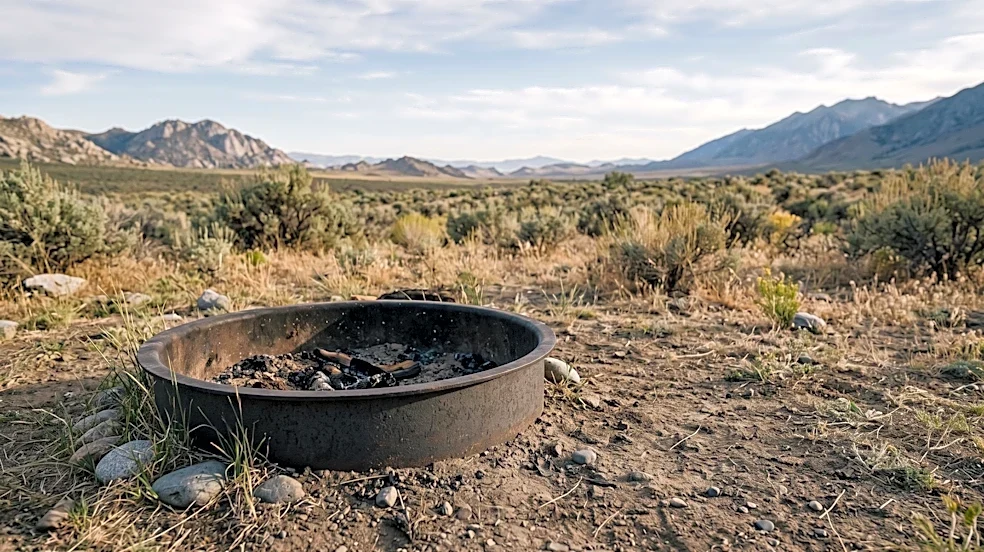
on July 15 to mitigate wildfire risks. With the easing of these measures, recreational target shooting and campfires are now permitted on public lands, provided a valid campfire permit is obtained and no other local postings prohibit such activities. The affected areas include BLM-managed lands in Lassen, Modoc, Plumas, Sierra, Siskiyou, and Shasta counties in California, and Washoe and Humboldt counties in Nevada. The public is still advised to exercise caution and adhere to fire safety practices.
Why It's Important?
The easing of fire restrictions by the BLM signifies a shift in wildfire risk assessment, allowing for increased public access and recreational activities on vast tracts of public land in the Western U.S. This decision impacts local economies that rely on outdoor recreation and provides residents with greater opportunities for leisure activities. However, it also places renewed emphasis on individual responsibility for fire prevention, as human-caused ignitions remain a significant concern. The balance between public access and wildfire prevention is critical, especially in regions prone to dry conditions. This change reflects the dynamic nature of fire management, adapting to current environmental conditions while still promoting vigilance among land users.
What's Next?
While fire restrictions have been eased, the public is reminded to remain cautious and practice good fire safety. This includes keeping vehicles off dry grass or brush, carrying a fire extinguisher, shovel, and water, and obtaining a permit for any campfire or use of portable gas stoves. California Campfire Permits are available free online or at BLM, USDA Forest Service, and CalFire offices. The statewide Fire on Order remains in place for BLM-managed public lands in California, and recreational target shooters are reminded that tracer round ammunition and incendiary devices are prohibited. The BLM will continue to monitor conditions and may reinstate restrictions if wildfire risks increase.
Beyond the Headlines
The cyclical nature of fire restrictions and their easing highlights the ongoing challenge of managing public lands in an era of changing climate patterns. The decision to ease restrictions is not merely an administrative one but reflects a complex interplay of ecological conditions, public demand for recreation, and the economic interests of surrounding communities. It also underscores the importance of public education and individual accountability in preventing wildfires. The continued emphasis on fire safety, even after restrictions are lifted, suggests a long-term strategy of fostering a culture of prevention among land users. This adaptive management approach is crucial for sustaining both ecological health and recreational opportunities on public lands.