




What's Happening?
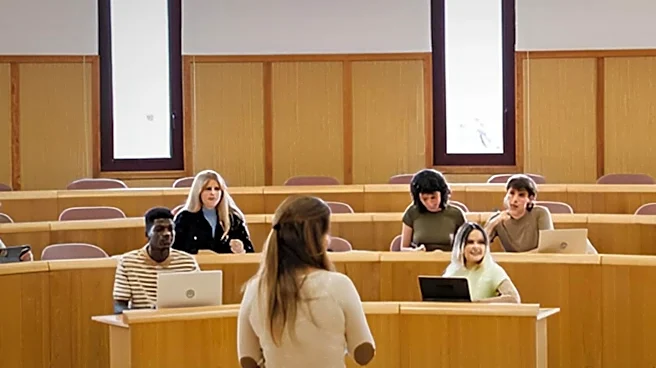
The University of Cádiz (UCA) is hosting a seminar titled 'Democratic Memory in University Teaching' at the Faculty of Philosophy and Letters. The event, organized by the Department of Modern, Contemporary, American, and Art History, and the Humanities
Degree, is taking place on Tuesday, November 10, and Friday, November 13. It is supported by the Association for the Recovery and Dissemination of Historical Memory of Cádiz, the Dean's Office of the Faculty of Philosophy and Letters, and the External Chair of Historical and Democratic Memory of the University of Cádiz. The seminar serves as a forum to stimulate democratic memory through critical thinking and historical knowledge, targeting undergraduate and master's students, researchers, and the general public. Educators from various high schools in the Bay of Cádiz, including Víctor Vegas, Aída Clara Fernández, Daniel Escalza, David Fernández, and Lourdes Montero, are presenting their experiences in historical education.
Why It's Important?
This seminar is crucial for fostering a deeper understanding of democratic memory within academic settings, particularly in the context of Spain's historical past, including the Civil War and the Franco dictatorship. By promoting critical historical knowledge, the initiative aims to strengthen democratic values and civic coexistence. It highlights the importance of integrating historical memory into educational curricula, addressing gaps that may exist in current teaching designs. The involvement of both university and high school educators underscores a comprehensive approach to historical education, ensuring that these critical narratives reach a broad audience. This effort can contribute to a more informed citizenry, capable of engaging with complex historical issues and applying lessons from the past to contemporary societal challenges. The seminar also aligns with the UCA's objectives of updating teaching content, meeting social and economic demands, and implementing a social commitment project.
What's Next?
The seminar's conclusion will likely lead to further discussions and initiatives aimed at integrating democratic memory more effectively into university and secondary education curricula. The experiences shared by the educators could inform new pedagogical approaches and resource development. It is anticipated that the UCA and its partners will continue to promote social commitment and critical thinking through similar academic events and research projects. The insights gained from this seminar may also influence policy recommendations regarding historical education at regional and national levels, ensuring that the traumatic past is rigorously studied and understood to strengthen democratic institutions. The ongoing engagement of students, researchers, and the public suggests a sustained effort to keep these historical narratives alive and relevant.
Beyond the Headlines
Beyond its immediate educational goals, this seminar touches upon profound ethical and cultural dimensions. It addresses the societal need to confront and reconcile with a difficult past, ensuring that historical injustices are acknowledged and learned from. The emphasis on 'democratic memory' implies a commitment to pluralistic interpretations of history, moving beyond official narratives to include diverse voices and experiences. This can contribute to a more inclusive national identity and foster a culture of human rights. The seminar also highlights the role of academic institutions as custodians of historical truth and as platforms for critical public discourse. By empowering educators to navigate sensitive historical topics, the initiative helps to build resilience against historical revisionism and promotes a more nuanced understanding of the forces that shape contemporary society.