





What's Happening?
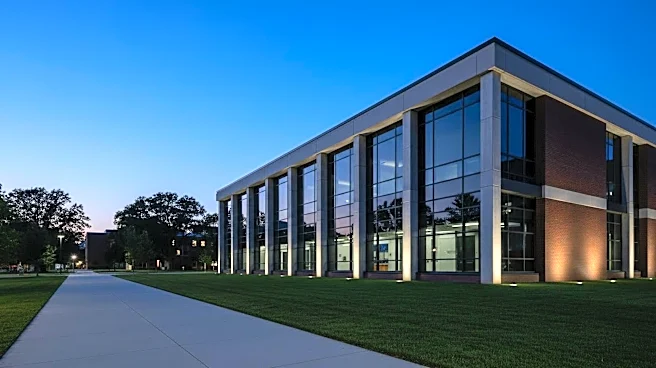
A building on the Coastal Carolina University (CCU) campus, DeCenzo Hall, was evacuated following an alleged anonymous safety threat. The university's alert system notified students about the threat on Tuesday night. Public safety officials conducted
a thorough investigation into the report. Following the investigation, the university announced that no threat was found, and normal operations could resume. The incident occurred in Horry County, SC, and was reported by WMBF. The quick response and subsequent all-clear from university officials aimed to ensure the safety of students and staff and to minimize disruption to campus activities.
Why It's Important?
The evacuation of DeCenzo Hall at Coastal Carolina University due to an anonymous safety threat highlights the critical importance of robust emergency response protocols and communication systems within educational institutions. Such incidents, even when unfounded, can cause significant disruption and anxiety among students, faculty, and staff. The university's use of an alert system to notify students promptly demonstrates a commitment to transparency and safety, which is crucial for maintaining trust within the campus community. For U.S. higher education, this event underscores the ongoing need for vigilance against potential threats and the continuous refinement of security measures. The ability to quickly investigate and resolve such situations is vital for ensuring a safe learning environment and preventing widespread panic. Furthermore, these events often lead to reviews of existing security policies and procedures, potentially influencing how other universities prepare for and respond to similar incidents, thereby impacting campus safety standards nationwide.
What's Next?
Following the all-clear, normal operations at Coastal Carolina University, including activities in DeCenzo Hall, have resumed. The university will likely conduct an internal review of the incident to assess the effectiveness of its emergency response and communication protocols. This review may lead to minor adjustments or enhancements to existing safety procedures to better handle future situations. While the immediate threat has been resolved, the incident serves as a reminder for the campus community to remain vigilant and report any suspicious activities. For students and staff, the focus will shift back to academic and daily routines. The university may also reinforce its messaging regarding campus safety and the importance of using official communication channels for information during emergencies. There is no indication of further immediate actions beyond the resumption of normal campus life and potential internal procedural reviews.
Beyond the Headlines
The anonymous safety threat at Coastal Carolina University, despite being unfounded, touches upon deeper societal anxieties regarding safety in public spaces, particularly educational institutions. In an era marked by heightened awareness of security concerns, even unverified threats can trigger significant responses, reflecting a collective societal imperative to prioritize safety. This incident highlights the psychological impact of such alerts on a campus community, where the balance between maintaining an open, academic environment and ensuring security is constantly negotiated. It also underscores the challenges faced by law enforcement and university administrations in distinguishing credible threats from hoaxes, requiring substantial resources and rapid decision-making. The reliance on alert systems and swift investigations points to the evolving nature of campus security, moving beyond physical barriers to include sophisticated communication and intelligence gathering. This event, therefore, is not just about a single evacuation but about the ongoing societal effort to create secure environments in an increasingly complex world, influencing public policy discussions around campus safety and emergency preparedness.