




What's Happening?
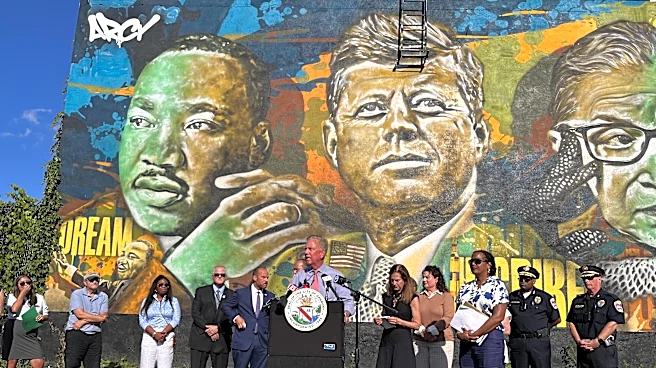
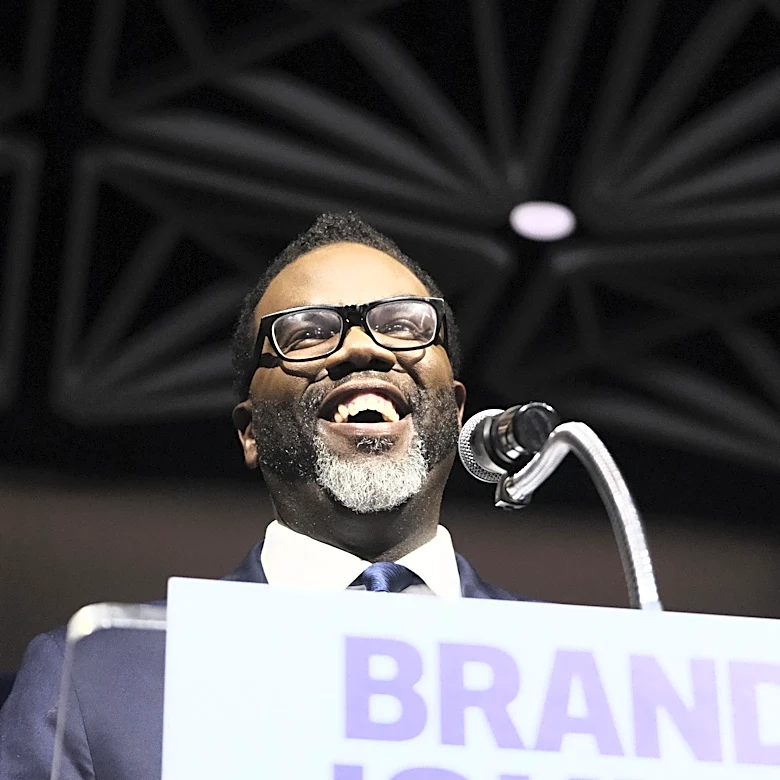
Mayor Brandon M. Scott has emphasized the critical role of reading and comprehensive historical education for young people in Baltimore. In an email statement regarding the 'Reading is Freedom' activation at the Baltimore Book Festival, Mayor Scott highlighted
the increasing censorship and book bans occurring nationwide. He asserted Baltimore's commitment to teaching the 'whole truth' of history, believing it will cultivate stronger future leaders. The Mayor's comments align with broader initiatives in Maryland, such as the #ReadMoreMaryland campaign championed by Maryland First Lady Dawn Moore, which aims to engage families and communities in reading. Baltimore City Councilwoman Odette Ramos also played a role in moving the annual book festival to Waverly, underscoring the city's dedication to celebrating books rather than banning them. This collective effort by civic and literary leaders aims to foster a love for reading and critical thinking among the youth, viewing it as a pathway to personal freedom and intellectual development.
Why It's Important?
Mayor Scott's stance on education and literacy is significant for several reasons. His emphasis on teaching the 'whole truth' of history directly counters national trends of censorship and book bans, positioning Baltimore as a city committed to intellectual freedom and comprehensive learning. This approach can empower young people with a more nuanced understanding of societal issues, fostering critical thinking and informed civic engagement. By promoting reading, the city aims to enhance educational outcomes and provide children with tools for broader perspectives and personal growth. Furthermore, the collective efforts of city leaders, including the Mayor, First Lady Moore, and Councilwoman Ramos, signal a unified commitment to educational enrichment, which can lead to increased community involvement in literacy programs and a stronger educational foundation for Baltimore's youth. This focus on education is crucial for developing future leaders who are well-informed and capable of addressing complex challenges.
What's Next?
The continued emphasis on literacy and comprehensive historical education by Mayor Scott and other Baltimore leaders suggests ongoing initiatives to support these goals. Future efforts may include expanding reading programs in schools and communities, potentially through partnerships with local literary organizations and libraries. There could also be increased advocacy against book bans and censorship, reinforcing Baltimore's position as a city that champions intellectual freedom. The success of events like the 'Reading is Freedom' activation may lead to more frequent or larger-scale literary festivals and educational workshops designed to engage young people. Additionally, the city might explore ways to integrate diverse historical narratives more deeply into school curricula, ensuring that students receive a complete and accurate understanding of history. Continued collaboration between civic leaders, educators, and literary figures will be key to sustaining these efforts and fostering a culture of reading and critical inquiry in Baltimore.
Beyond the Headlines
The Mayor's advocacy for teaching the 'whole truth' of history touches upon deeper societal implications, particularly in the context of ongoing national debates about historical narratives and cultural memory. By actively promoting a comprehensive understanding of history, Baltimore is taking a stand against historical revisionism and the erasure of marginalized voices. This commitment can foster a more inclusive and equitable society by ensuring that all citizens understand the complexities of their shared past. Ethically, it reinforces the importance of truth and intellectual honesty in education. Legally, it may influence local educational policies and curriculum development, potentially setting a precedent for other municipalities. Culturally, it aims to cultivate a generation of young people who are not only literate but also critically aware and empathetic, capable of engaging with diverse perspectives and contributing to a more just society. This long-term investment in education can shape the civic identity and future trajectory of Baltimore.