

What's Happening?
Innocent Konan, Managing Director & Crop Science Commercial Lead for Bayer West & Central Africa, highlighted the critical role of hybrid maize seeds and agricultural innovation in achieving food security in the region. Speaking on World Food Day, Konan stressed
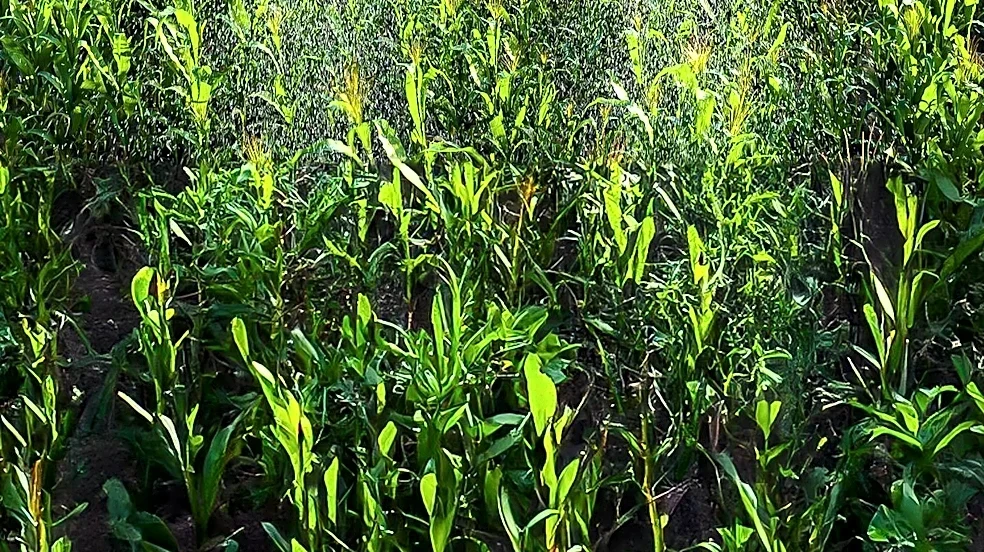
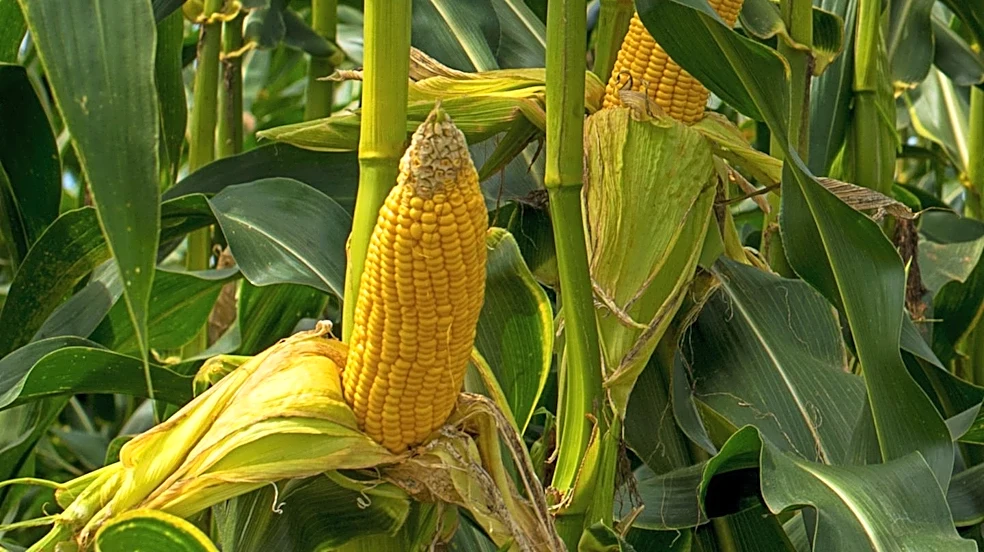
that while West and Central Africa possess significant agricultural potential, the region faces challenges in feeding a growing population, improving farmer incomes, and ensuring sustainable production amidst irregular rainfall and pressure on natural resources. He argued that increasing productivity on existing cultivated land through innovations like hybrid seeds and good agricultural practices is essential, rather than expanding cultivated areas. Bayer's DEKALB hybrid maize seeds are designed to offer high quality, excellent germination rates, strong early vigor, and adaptability to local conditions, with the potential to yield over 10 tons per hectare when combined with good agricultural practices. The company also focuses on grain quality, which is rich in protein and nutrients, suitable for human consumption, animal feed, and agro-industrial uses.
Why It's Important?
The emphasis on hybrid maize seeds and agricultural innovation by a major player like Bayer has significant implications for food security and economic development in West and Central Africa. By focusing on increasing yields on existing land, this approach can help mitigate deforestation and protect natural ecosystems, which are crucial for long-term environmental sustainability. Improved yields directly translate to better food availability, addressing the challenge of feeding a rapidly growing population. Furthermore, higher productivity and better quality crops can lead to increased incomes for farmers, contributing to poverty reduction and economic stability in rural communities. The initiative's focus on women's empowerment and youth inclusion is also vital, as their leadership and engagement are considered fundamental for the sustainable transformation of food systems. This strategy could serve as a model for other regions facing similar agricultural and food security challenges, demonstrating how technological advancements and integrated support systems can drive progress.
What's Next?
Bayer's Better Life Farming (BLF) initiative, which provides farmers with access to quality inputs, agronomic advice, financing solutions, and market opportunities, is expected to continue expanding. With 35 BLF centers already established in Côte d’Ivoire, the program aims to replicate its success, which has shown yield increases of up to 150% in some supported farming contexts. The company will also continue its knowledge transfer efforts, training thousands of farmers annually in good agricultural, environmental, and crop protection practices. The Safe Use Ambassador program, launched in Nigeria and Côte d’Ivoire, will further educate students, technicians, and future rural decision-makers on the safe and responsible use of treated seeds and crop protection products. Future efforts will likely involve strengthening partnerships among governments, the private sector, farmer organizations, financial institutions, research centers, and development partners to accelerate the adoption of innovation and invest in competitive local agricultural value chains.
Beyond the Headlines
The push for hybrid maize seeds and agricultural innovation extends beyond immediate yield improvements, touching upon deeper ethical and societal considerations. The reliance on advanced seed technology raises questions about seed sovereignty and the potential for increased dependence on large agricultural corporations. While hybrid seeds offer significant benefits, ensuring equitable access and affordability for smallholder farmers is crucial to prevent widening economic disparities. The focus on women's empowerment and youth inclusion highlights a recognition that food security is not merely a technical problem but also a social one, deeply intertwined with gender equality and intergenerational equity. The long-term success of these initiatives will depend on their ability to foster self-sufficiency and resilience among local farming communities, rather than creating new forms of dependency. Moreover, the environmental impact of intensified agriculture, even with sustainable practices, will require continuous monitoring to ensure biodiversity protection and soil health.