



What's Happening?
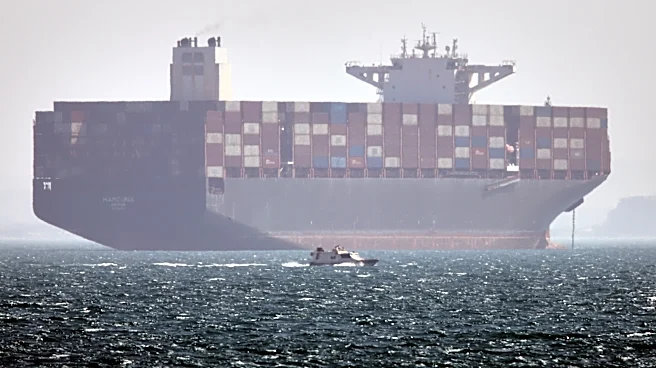
The U.S. military has taken action against Iranian forces by sinking six small boats that were targeting civilian ships, as part of efforts to reopen the Strait of Hormuz. This move comes after the United Arab Emirates (UAE), a key ally of the U.S., reported
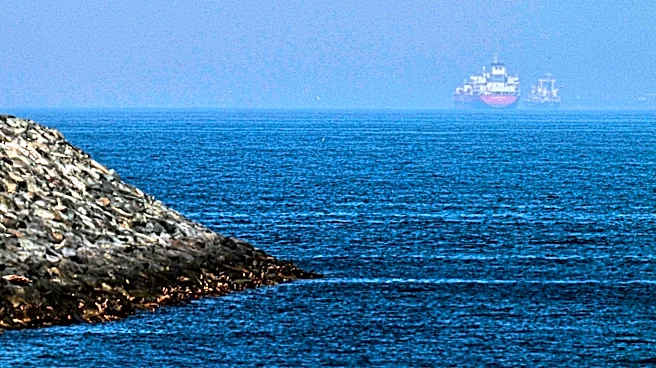
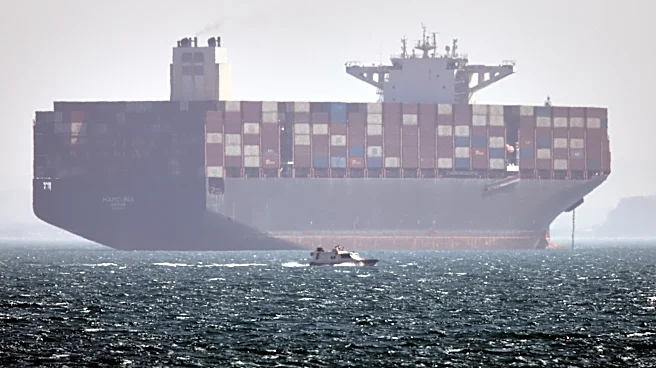
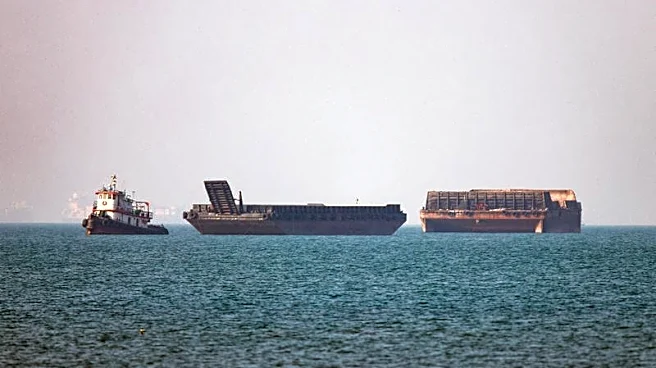
coming under attack from Iran for the first time since a ceasefire was established in early April. The UAE's Defense Ministry stated that its air defenses intercepted 15 missiles and four drones launched by Iran, with one drone causing a fire at an oil facility in Fujairah, injuring three Indian nationals. The British military also reported two cargo vessels on fire off the UAE coast. Iran has not confirmed the attacks but warned against foreign military presence in the strait.
Why It's Important?
The reopening of the Strait of Hormuz is crucial as it is a vital waterway for global energy supplies. Iran's effective closure of the strait had led to increased fuel prices and economic instability worldwide. The U.S. military's actions aim to alleviate these economic pressures and reduce Iran's leverage over the strait. However, these efforts risk escalating tensions and potentially reigniting full-scale conflict, as Iran has vowed to target any foreign military forces in the area. The situation poses significant risks for shipping companies and their insurers, who may be hesitant to operate in the region due to the threat of Iranian attacks.
What's Next?
The U.S. has established an 'enhanced security area' in the strait and advised ships to transit through Oman's waters. The U.S. military has also enforced a naval blockade on Iranian ports, impacting Iran's oil revenue. Iran has proposed ending the conflict by lifting sanctions and withdrawing U.S. forces, but negotiations remain challenging. The U.S. continues to warn shipping companies about potential sanctions for paying Iran for strait transit. The situation remains volatile, with potential for further military engagements and diplomatic negotiations.