





What's Happening?
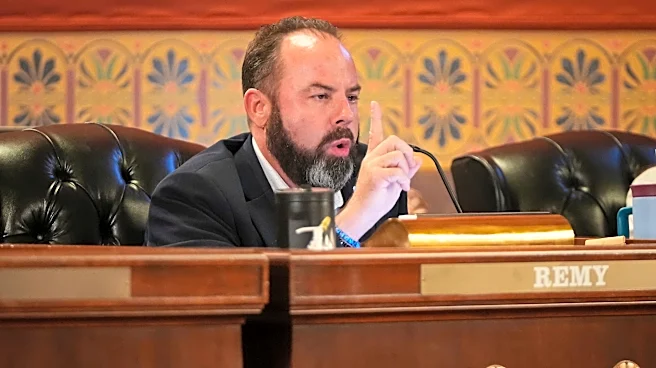
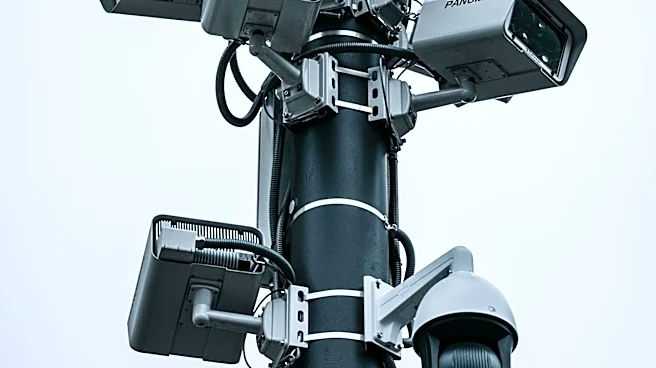
Glenn Jacobs, known as WWE Hall of Famer Kane, has signed his final ordinance as Mayor of Knox County, Tennessee, prohibiting county agencies from using fixed Automated License Plate Recognition (ALPR) systems. This action marks the conclusion of his second
term. Jacobs announced the signing on X, stating it was his last official act and thanking the County Commission for defending liberty. The ordinance specifically targets fixed ALPRs, which are surveillance technologies used to scan and identify license plates. This move comes after a local report revealed that Flock ALPRs/cameras had been in use in Knox County since 2021, purchased by the sheriff's department through a state grant. It was later disclosed that the sheriff's department acquired over $800,000 worth of these cameras without the approval of the Knox County Commission. Jacobs, who initially supported the technology, distanced himself from Flock in July after understanding the full scope of ALPRs, following widespread public opposition.
Why It's Important?
This ordinance is significant for several reasons, primarily concerning privacy rights and local government oversight. The ban on fixed ALPRs reflects a growing public and governmental concern over surveillance technologies and their potential impact on civil liberties. The fact that the Knox County Sheriff's Department purchased over $800,000 worth of these cameras without the County Commission's approval highlights issues of transparency and accountability within local government spending and procurement processes. This decision by Mayor Jacobs and the unanimous vote by the Knox County Commission demonstrate a response to a vocal and bipartisan coalition of residents who expressed strong opposition to ALPRs. It sets a precedent for how local jurisdictions might address the balance between public safety measures and individual privacy in the face of advancing surveillance technologies. This could influence other counties and municipalities across the U.S. to re-evaluate their use of similar systems, potentially leading to broader policy changes regarding data collection and privacy.
What's Next?
Following Mayor Jacobs' signing of the ordinance, the ban on fixed ALPRs by Knox County agencies is now in effect. This means that the county's sheriff's department and other relevant agencies will need to cease the use of any existing fixed ALPR systems and refrain from acquiring new ones. The company Flock Safety, which specializes in these surveillance technologies, will likely see a reduction in its market within Knox County. This local decision could inspire similar legislative efforts in other U.S. counties and states, particularly where public concern over surveillance and data privacy is high. It may also prompt a review of how local law enforcement agencies procure and implement technology, potentially leading to stricter oversight requirements for significant purchases. Future discussions may focus on the balance between public safety needs and individual privacy rights, and how technology can be used responsibly within these parameters.
Beyond the Headlines
The decision to ban fixed ALPRs in Knox County delves into deeper implications regarding the evolving landscape of digital surveillance and its ethical considerations. The initial unapproved purchase of these systems by the sheriff's department underscores a broader challenge in governance: the rapid adoption of technology by agencies without adequate public or legislative oversight. This incident highlights the potential for 'mission creep' in surveillance, where technologies initially justified for specific purposes can expand in scope and impact without proper checks and balances. The bipartisan public outcry and subsequent governmental action in Knox County suggest a growing awareness and demand for accountability regarding data collection and privacy in the digital age. This case could serve as a model for how communities can effectively push back against pervasive surveillance, fostering a more robust dialogue about the societal implications of such technologies and the importance of democratic control over their implementation. It also raises questions about the long-term storage and use of data collected by ALPRs, even if they are not fixed, and the potential for misuse or breaches.