







What's Happening?
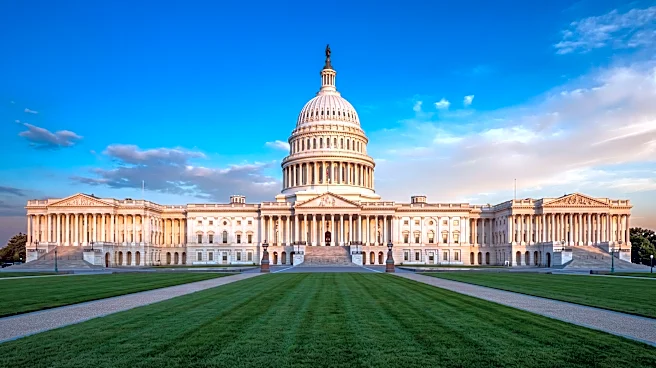
U.S. Senator Alex Padilla (D-California) was one of four legislators who co-announced the Wildland Firefighter Health and Safety Act on September 17. This bipartisan legislation, still in development, aims to address long-standing gaps in health and safety
protections for wildland firefighters. Co-led by U.S. Sens. John Curtis (R-Utah), Jeff Merkley (D-Oregon), and Tim Sheehy (R-Montana), the bill will be developed in collaboration with firefighters, unions, and health experts. Senator Padilla emphasized the importance of ensuring that firefighters have the necessary resources, safety equipment, and support to perform their jobs safely. The proposed act will establish a Wildland Firefighter Health Task Force and an advisory panel of outside stakeholders to coordinate exposure reduction and pilot respiratory technologies. U.S. Rep. Maxine Dexter (D-Portland, Oregon) is leading companion legislation in the House of Representatives.
Why It's Important?
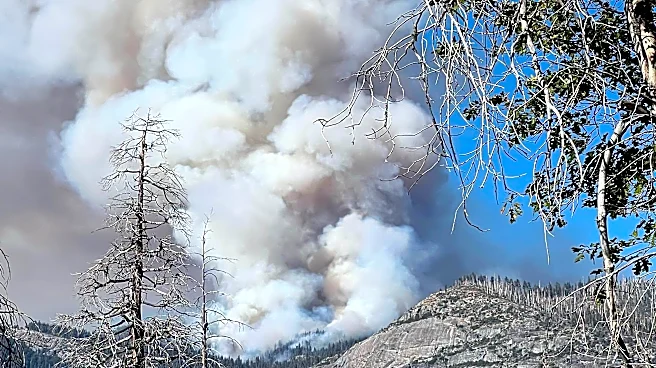
The introduction of the Wildland Firefighter Health and Safety Act is crucial for the well-being of thousands of wildland firefighters across the U.S., who face significant health risks due to their demanding and dangerous profession. These risks include exposure to hazardous smoke, chemicals, and extreme physical exertion, leading to long-term health issues such as respiratory illnesses, cardiovascular problems, and certain cancers. By establishing a dedicated task force and advisory panel, the legislation aims to systematically identify and mitigate these risks, potentially leading to improved safety protocols, better equipment, and enhanced medical support. This initiative could significantly reduce occupational hazards, improve recruitment and retention of firefighters, and ultimately strengthen the nation's capacity to combat increasingly severe wildfires, which have become a growing concern due to climate change.
What's Next?
The Wildland Firefighter Health and Safety Act is currently in its development phase, meaning legislators will continue to refine the bill in partnership with key stakeholders, including firefighters, unions, and health experts. This collaborative approach is intended to ensure the legislation effectively addresses the practical needs and concerns of those on the front lines. Following its development, the bill will need to be formally introduced in both the Senate and the House of Representatives. Its bipartisan support suggests a potential for passage, but it will still need to navigate the legislative process, including committee reviews and floor votes. If enacted, the next steps would involve the establishment of the Wildland Firefighter Health Task Force and the advisory panel, which would then begin their work on exposure reduction and piloting new respiratory technologies.
Beyond the Headlines
This legislative effort highlights a growing recognition of the often-overlooked human cost of climate change and environmental disasters. As wildfires become more frequent and intense, the strain on wildland firefighters and the long-term health consequences they face are becoming increasingly apparent. The act's focus on health and safety protections could set a precedent for how the U.S. addresses the occupational hazards associated with other climate-related emergencies. It also underscores the importance of inter-agency and bipartisan cooperation in tackling complex national challenges. Beyond immediate health benefits, this legislation could foster a cultural shift towards greater appreciation and support for these essential workers, potentially influencing future policy decisions regarding compensation, benefits, and mental health resources for first responders in high-risk professions.