






What's Happening?
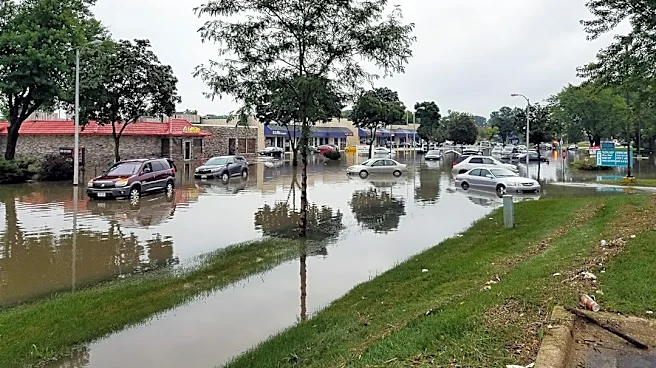
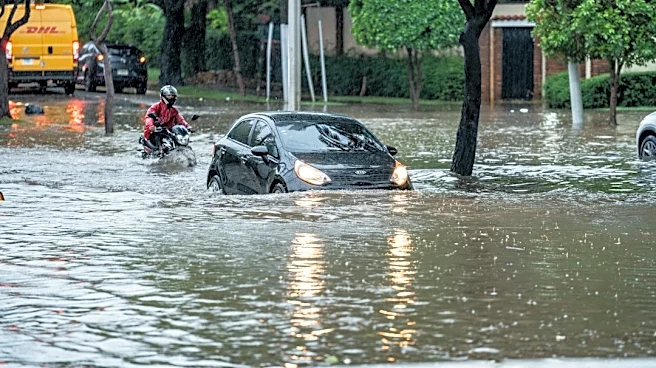
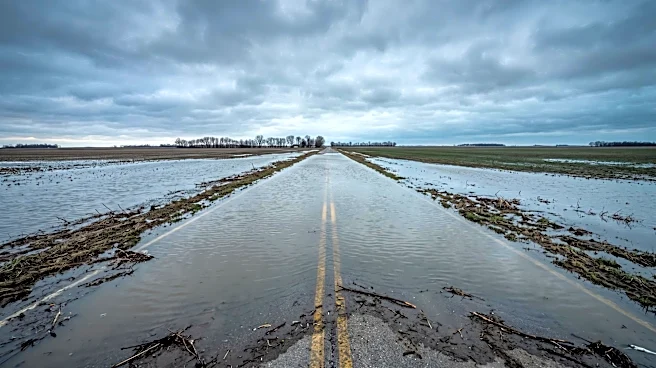
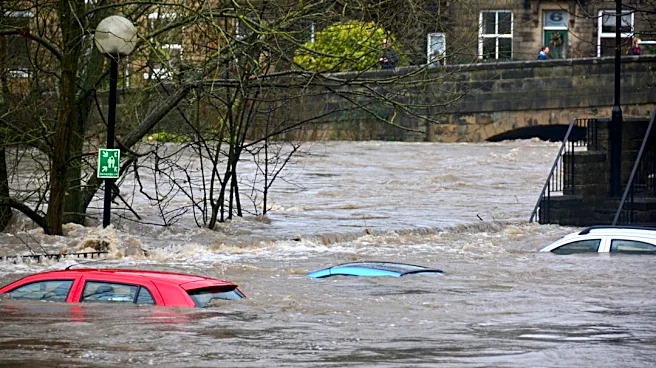
Nebraska Governor Jim Pillen has declared a state of emergency for southeast Nebraska due to heavy rain and severe flooding. The declaration was made on Thursday afternoon after record-setting rainfall on Wednesday led to flooded roadways and multiple
rescues of stranded motorists. Governor Pillen surveyed affected areas in northern Lancaster County, where the storm's impact on infrastructure, such as bridges and the county pipe culvert system, is a concern. The Nebraska Emergency Management Agency (NEMA) and the Nebraska National Guard, along with representatives from Lancaster County and the Lower Platte South Natural Resource District, joined the Governor in assessing the damage. Damage assessments are ongoing to identify specific affected counties and determine the level of assistance required.
Why It's Important?
The declaration of a state of emergency is crucial as it frees up state resources for recovery efforts and mandates support from state and federal agencies for the state’s adjutant general, who leads NEMA. This action is vital for mobilizing necessary aid and coordinating responses to the widespread damage. NEMA is collaborating with the Federal Emergency Management Agency (FEMA), the Small Business Administration (SBA), and the Natural Resources Conservation Service to allocate resources effectively. The ongoing damage assessments will be instrumental in determining the extent of federal assistance available for recovery, which could include financial aid for infrastructure repair and support for affected residents and businesses. This situation highlights the vulnerability of local infrastructure to extreme weather events and the importance of rapid governmental response to mitigate long-term impacts.
What's Next?
Following the state of emergency declaration, the immediate next steps involve continued damage assessments across southeast Nebraska to pinpoint the most affected areas and quantify the extent of the destruction. These assessments will be critical for NEMA and its federal partners, including FEMA, SBA, and the Natural Resources Conservation Service, to determine the specific types and levels of assistance that will be made available. The Governor's office anticipates that this information will guide decisions on federal aid and recovery programs. Residents are urged to continue exercising extreme caution around flooded areas and damaged infrastructure. The state will likely focus on coordinating relief efforts, repairing damaged infrastructure, and supporting communities in their recovery, potentially drawing on precedents like the tax relief granted to Nebraska residents after previous wildfires and storms.
Beyond the Headlines
This event underscores a broader trend of increasing frequency and intensity of extreme weather events, which poses significant challenges for state and local governments in terms of disaster preparedness and response. The long-term implications extend beyond immediate recovery, potentially influencing future urban planning, infrastructure development, and climate resilience strategies in Nebraska. The collaboration between state and federal agencies, including NEMA, FEMA, and SBA, highlights the complex intergovernmental coordination required to manage large-scale natural disasters. Furthermore, the incident may prompt discussions on the adequacy of current infrastructure to withstand such events and the need for investments in more resilient systems. The economic impact on local communities, including agricultural sectors and small businesses, could be substantial, necessitating comprehensive recovery plans that address both immediate needs and long-term economic stability.