





What's Happening?
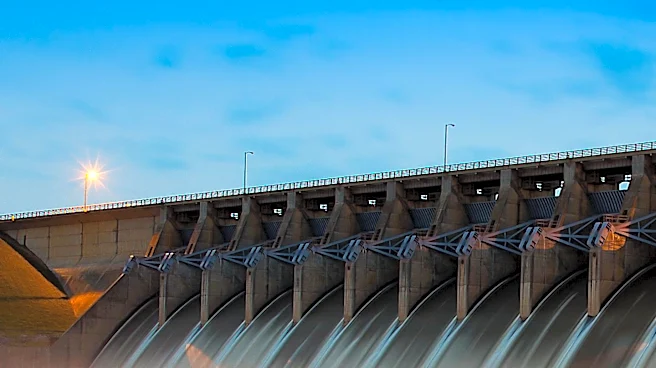
The Rochester City Council has approved an $18.9 million contract with Minnesota-based Rachel Contracting for the Silver Lake dam modification and dredging project. This decision was made on Monday, moving forward a long-planned initiative. The approved bid
was the lowest of four received, coming in 9.8% below the engineer's estimate, which had initially projected costs as high as $24 million, significantly exceeding the city's original $15 million budget. The gap in funding will be partially covered by additional state grant dollars. In addition to the dam project, the council also approved an $80,000 design amendment for state and federal permitting, hydraulic modeling, and design changes to the rapids, trails, and shoreline, bringing the total final design costs to $873,000. A related action, timed with the lake drawdown, saw the approval of an $8.2 million contract to replace the Zumbro River siphon beneath Silver Lake, aiming to increase sewer capacity for growth in east Rochester, along with sewer upsizing and a new roundabout. Council Member Patrick Keane highlighted the benefit of good trail grants from the state and a $2.5 million environmental grant to improve the river's natural area and sustainability. The measures passed with a 6-1 vote, with Council Member Andy Friederichs casting the sole dissenting vote. Work on the Silver Lake project is scheduled to commence on October 12 and continue through September of next year.
Why It's Important?
This project is important for Rochester, Minnesota, as it addresses critical infrastructure needs and environmental sustainability. The modification and dredging of the Silver Lake dam will likely improve water management and ecological health of the lake and the Zumbro River. The significant investment in replacing the Zumbro River siphon is crucial for supporting urban development and population growth in east Rochester by enhancing sewer capacity. This infrastructure upgrade is essential for preventing future strain on the city's wastewater systems and ensuring public health. The project's funding, which includes state grants, underscores a collaborative effort between local and state entities to finance large-scale public works. The focus on improving the natural area and sustainability of the river, as noted by Council Member Patrick Keane, reflects a broader commitment to environmental stewardship and quality of life for residents. The project's scope, encompassing trails and shoreline modifications, also suggests an aim to enhance recreational opportunities and public access to natural spaces, potentially boosting local tourism and community well-being. The approval of a bid significantly below initial estimates demonstrates fiscal prudence and effective negotiation by the city council, ensuring taxpayer money is utilized efficiently for a vital community project.
What's Next?
Following the Rochester City Council's approval, work on the Silver Lake dam modification and dredging project is slated to begin on October 12. The construction phase is expected to run through September of next year, indicating a multi-phase project that will require continuous oversight. During this period, residents and commuters in Rochester can anticipate potential disruptions related to construction activities, particularly around Silver Lake and the Zumbro River. The replacement of the Zumbro River siphon will also proceed concurrently or in sequence, impacting local infrastructure and potentially traffic flow in east Rochester. The city will likely provide updates on project progress and any necessary adjustments to local services or access. Stakeholders, including environmental groups and local businesses, will be monitoring the project's execution to ensure adherence to environmental standards and minimal impact on the community. The successful completion of this project will set the stage for improved water management, enhanced recreational facilities, and increased sewer capacity, which will be critical for future urban planning and development in Rochester. Further, the city may explore additional grant opportunities or funding mechanisms for subsequent phases or related environmental initiatives, building on the success of securing state grants for this project.