






What's Happening?
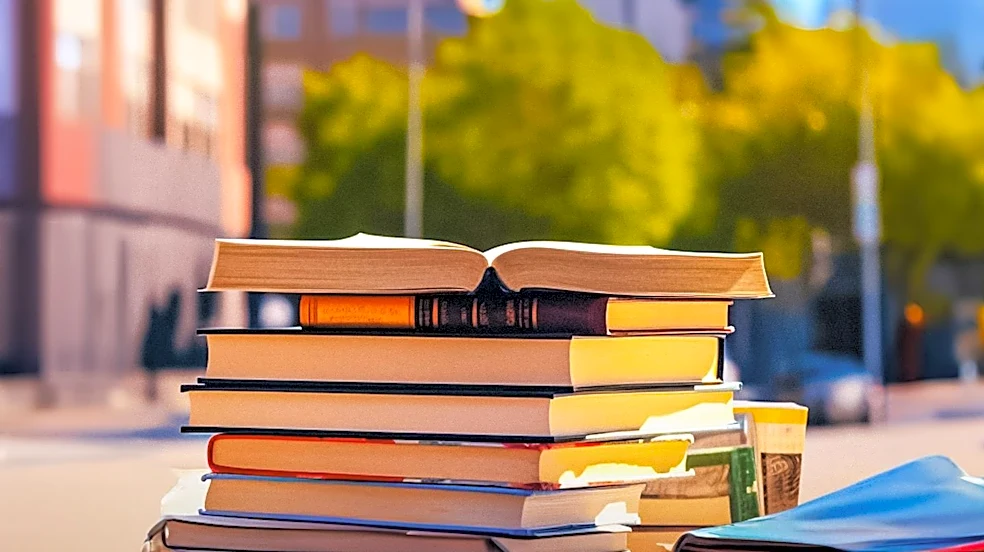
Author Jodi Picoult surprised attendees at the inaugural Salt Lake Book Festival by distributing 600 free copies of her novel, 'Nineteen Minutes,' which was banned from all Utah public schools. The novel was removed from school libraries in January, along
with 'Wicked: The Life and Times of the Wicked Witch of the West' and 'The Perks of Being a Wallflower.' Utah law mandates the removal and destruction of books deemed 'objectively sensitive material' if at least three school districts, or two districts and five charter schools, identify them as such. Picoult's book, a 2007 New York Times bestseller, explores the aftermath of a school shooting and the motivations of a bullied shooter. According to PEN America, 'Nineteen Minutes' was the most commonly banned book across the U.S. during the 2023-24 school year. Picoult expressed her familiarity with being a 'banned author' and noted her preference for engaging with audiences in places where her books are challenged, believing they are eager to hear her perspective.
Why It's Important?
This event highlights the ongoing national debate surrounding book bans in U.S. schools and the broader implications for free expression and education. The distribution of 'Nineteen Minutes' directly challenges the effectiveness and intent of Utah's book ban law, which requires the removal and destruction of certain titles. This action by a prominent author underscores the tension between parental and community concerns about 'sensitive material' and the principles of intellectual freedom and access to diverse perspectives in education. The fact that 'Nineteen Minutes' was the most banned book nationally in the past year, as reported by PEN America, indicates a widespread trend affecting students' access to literature that explores complex social issues. This situation could influence future legislative efforts regarding book content in schools and may encourage other authors and advocates to take similar direct actions against bans, potentially escalating the cultural and political conflict over educational materials.
What's Next?
The direct distribution of a banned book by its author could prompt various reactions from stakeholders. School districts and state education officials in Utah might re-evaluate the enforcement or interpretation of the existing law, particularly concerning the destruction of books. This event could also galvanize anti-censorship advocates and organizations like PEN America to increase their efforts in challenging book bans through similar public demonstrations or legal avenues. Conversely, groups advocating for stricter content controls in schools might intensify their lobbying efforts for more comprehensive bans or stricter enforcement mechanisms. The incident may also encourage other authors whose works have been banned to engage in similar acts of protest, potentially leading to a broader movement of direct action against book censorship. Furthermore, the public discourse around intellectual freedom in education is likely to be reignited, potentially influencing upcoming school board elections and state legislative sessions as candidates and policymakers take stances on these issues.
Beyond the Headlines
The act of an author personally distributing a banned book transcends a simple protest; it delves into the ethical and cultural dimensions of censorship and intellectual freedom. By giving away 'Nineteen Minutes,' Picoult not only circumvented the ban but also made a powerful statement about the value of empathy and understanding that books can foster, particularly for young readers. This challenges the notion that removing books protects children, suggesting instead that it limits their exposure to diverse experiences and critical thinking. The destruction of banned books, as mandated by Utah law, raises parallels with historical instances of book burning, evoking concerns about the suppression of ideas and the erosion of cultural heritage. This incident could contribute to a long-term shift in how communities and educational institutions approach controversial literature, potentially leading to more nuanced discussions about age-appropriateness, curriculum development, and the role of libraries in fostering intellectual growth, rather than simply restricting access.