




What's Happening?
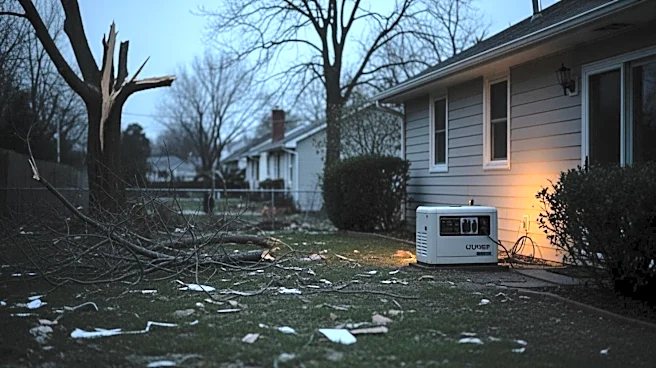
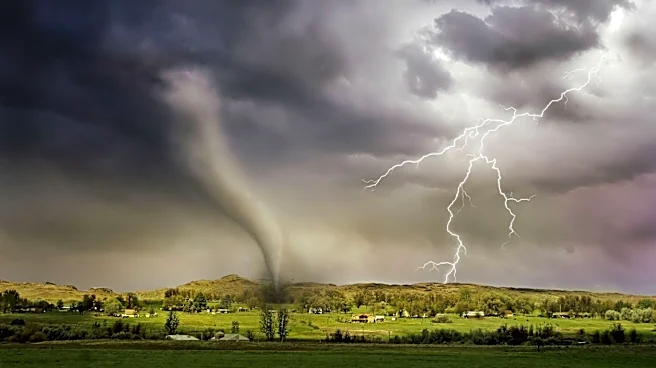
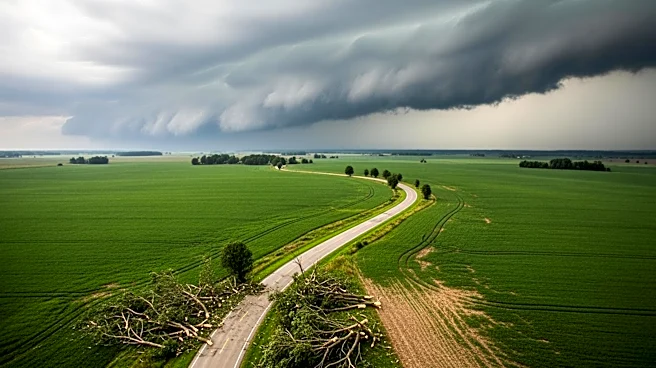
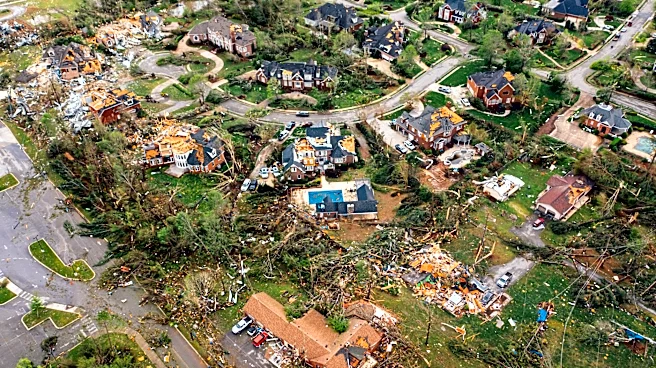
The National Weather Service (NWS) has confirmed that a preliminary EF1 tornado struck Scott and Jefferson counties in Indiana during a series of overnight storms. The tornado, which reached peak winds of 110 mph, was part of a severe weather system that swept
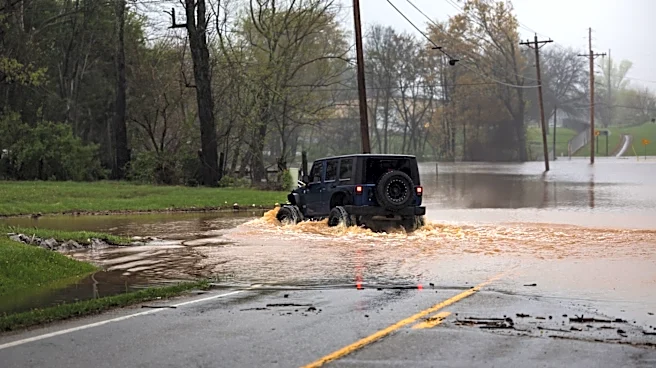
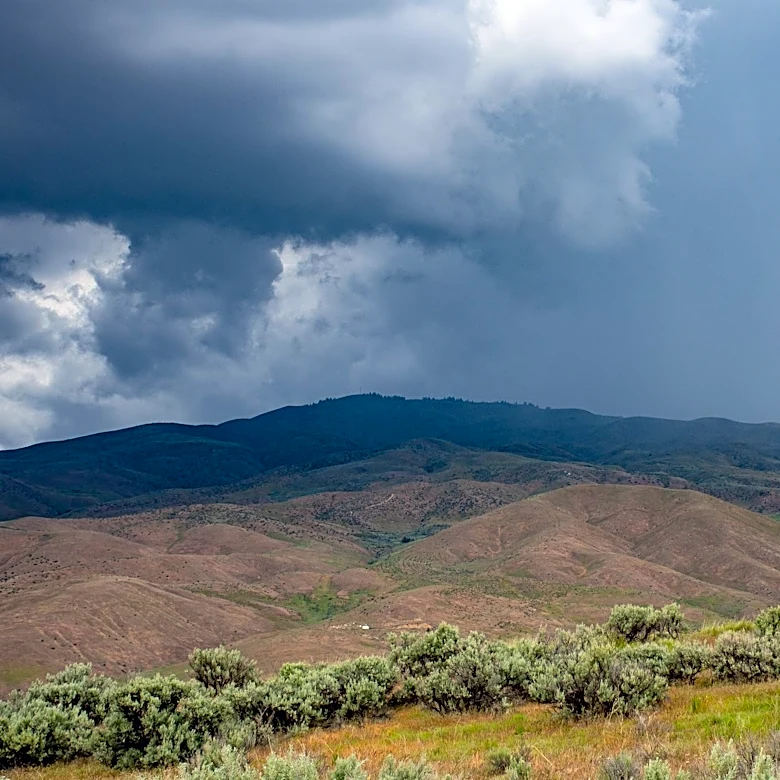
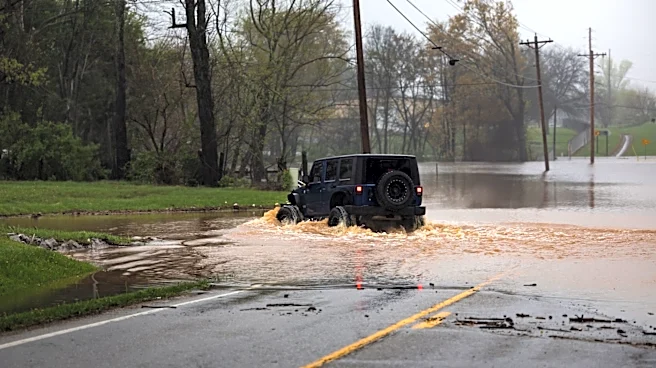
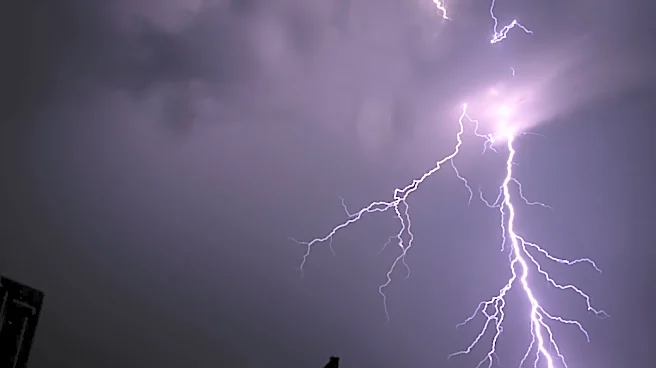
across the Kentuckiana region late Wednesday into early Thursday. This system brought damaging winds, heavy rain, and multiple reports of tornadoes across several communities. Jackson County, Indiana, was notably affected, with significant tornado damage reported. The NWS issued several watches and warnings for parts of Kentucky and Indiana, highlighting the potential for tornadoes, damaging winds with gusts up to 75 mph, and isolated hail. The NWS plans to conduct storm surveys to assess the extent and strength of the tornadoes that touched down.
Why It's Important?
The confirmation of an EF1 tornado in Indiana underscores the ongoing vulnerability of the region to severe weather events, which can cause significant damage to infrastructure and pose risks to public safety. The impact on Jefferson and Scott counties highlights the need for effective emergency preparedness and response strategies to mitigate the effects of such natural disasters. The severe weather also serves as a reminder of the importance of timely weather alerts and the role of the NWS in providing critical information to help communities prepare and respond. The economic implications include potential costs related to property damage, emergency services, and recovery efforts, which can strain local resources and affect residents' livelihoods.
What's Next?
The National Weather Service is expected to conduct detailed storm surveys to determine the precise impact and strength of the tornadoes that affected the region. These surveys will help in understanding the patterns and severity of the storms, which is crucial for improving future forecasting and preparedness measures. Local authorities and emergency services will likely continue to assess the damage and coordinate recovery efforts. Residents in the affected areas may need to seek assistance for repairs and rebuilding, while insurance companies could face increased claims related to storm damage. The findings from the NWS surveys may also inform future policy decisions regarding infrastructure resilience and emergency management.