







What's Happening?
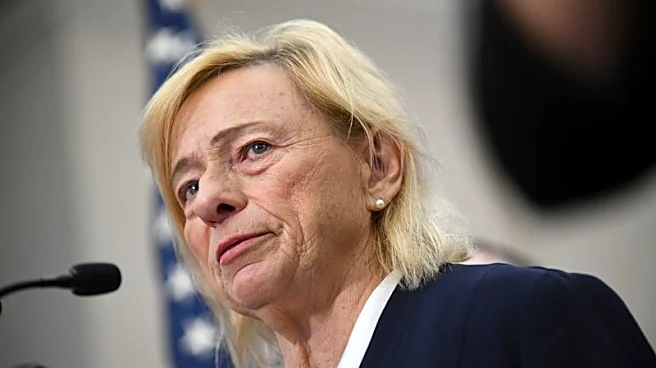
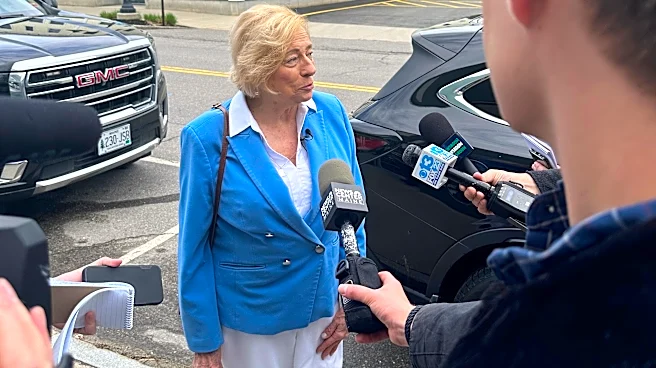
Maine Governor Janet Mills has suspended her campaign for the U.S. Senate, citing a lack of financial resources as the reason for her decision. This development paves the way for Graham Platner to secure the Democratic nomination and challenge incumbent
Republican Senator Susan Collins. Mills' withdrawal underscores a generational shift within the Democratic Party, as Platner, a younger and more progressive candidate, gains prominence. Despite Mills' political experience and previous statewide victories, her campaign faced challenges against Platner's growing support and financial backing.
Why It's Important?
The Maine Senate race is a key focus for Democrats aiming to regain control of the Senate. Platner's candidacy highlights a shift towards progressive policies and a challenge to the traditional Democratic establishment. His campaign has garnered support from influential progressives, signaling a potential change in the party's direction. For Republicans, Collins' seat is crucial to maintaining their Senate majority. The race will test Collins' ability to appeal to a diverse electorate amid a polarized political climate. The outcome could significantly impact national legislative priorities and the balance of power in Congress.
What's Next?
With Mills out of the race, Platner will concentrate on consolidating Democratic support and preparing for a competitive general election against Collins. The campaign is expected to draw significant national attention and resources, as both parties recognize the high stakes involved. Collins, known for her moderate stance, will need to navigate the challenges posed by Platner's progressive platform and the broader political dynamics influenced by President Trump's policies. The race will likely see intensified efforts to mobilize voters and shape the political narrative leading up to the election.