



What's Happening?
The Nuclear Regulatory Commission (NRC) has significantly accelerated its approval process for advanced nuclear reactors, marking a major shift in the U.S. nuclear energy industry. In a compressed timeframe, three advanced reactor developers received
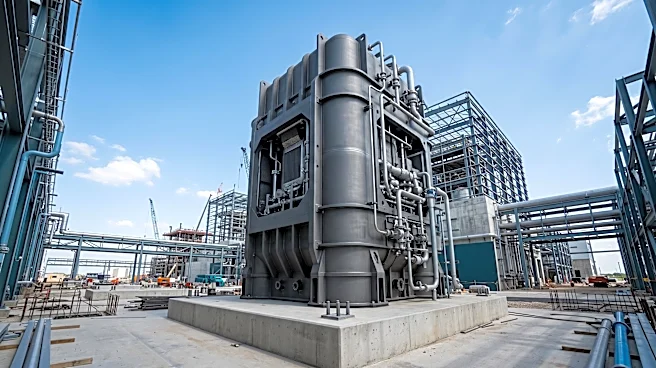
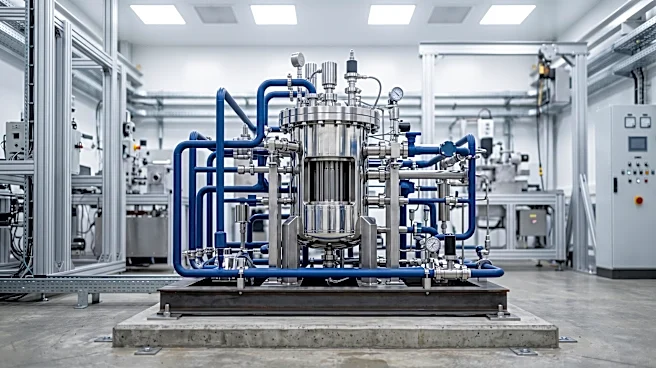
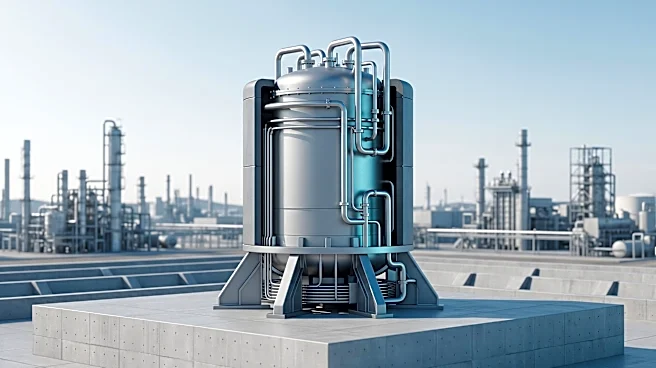
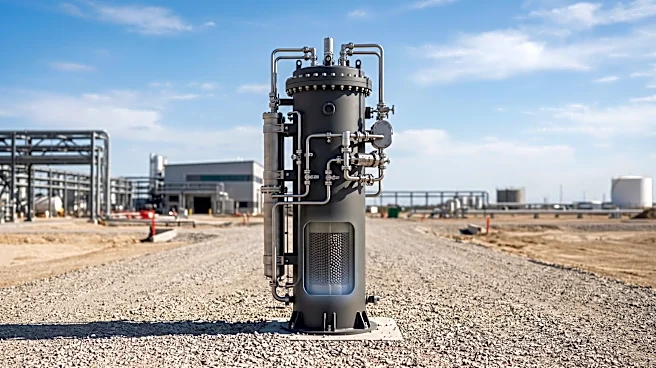
crucial regulatory clearances. Most notably, X-Energy and Dow secured the first construction permit ever issued by the NRC for an advanced nuclear plant located at an operating industrial facility. This permit allows for the construction of four Xe-100 high-temperature gas-cooled reactors at Dow’s Seadrift site in Texas. Each unit is designed to produce 80 megawatts electric and 200 megawatts thermal, intended to supply both electricity and high-temperature process steam to Dow’s chemical complex. This approval is significant as it is the first construction permit for a high-temperature gas-cooled reactor in nearly six decades, the first for a pebble-bed design, and the first for an advanced reactor co-located with active industrial operations. The review process for X-Energy was completed in approximately 18 months, ahead of schedule. Additionally, Antares Nuclear received Department of Energy (DOE) approval for the Nuclear Safety Design Agreement for its Mark-1 microreactor, and Radiant received DOE approval for the Documented Safety Analysis for its Kaleidos microreactor, paving the way for extended full-power testing at Idaho National Laboratory.
Why It's Important?
This acceleration in regulatory approvals signals a potential revitalization of the U.S. nuclear energy sector, which has faced stagnation due to lengthy and complex licensing processes. The previous construction cycle for major U.S. nuclear plants, such as the Vogtle AP1000 units, experienced significant delays and cost overruns, deterring investment. By streamlining the approval process, the NRC is creating a more favorable environment for private capital investment in advanced nuclear technologies. The co-location of X-Energy’s reactors with Dow’s chemical plant exemplifies a new model for industrial energy supply, offering a reliable, low-carbon power source and process heat. This development is particularly relevant given the surging demand for electricity from sectors like artificial intelligence infrastructure. The use of advanced fuels like TRISO-X in the Xe-100 reactors, described as 'meltdown-proof,' and passive safety characteristics, allows for significantly smaller emergency planning zones, making industrial integration more feasible. This shift could position the U.S. to compete more effectively with other nations expanding their nuclear energy infrastructure.
What's Next?
While the construction permit for X-Energy’s Xe-100 reactors is a major step, an operating license will still be required before the plant can begin commercial operation. Dow is expected to make a preliminary investment decision in 2027, with the first delivery of power targeted for the early 2030s. Antares and Radiant will proceed with their DOE testing programs at Idaho National Laboratory, aiming to translate their experience into commercial licenses and potential military deployments starting in 2028. The success of these initial projects will be crucial in demonstrating the viability and efficiency of the accelerated regulatory pathway. Further investment in supply chains for long-lead-time components and fuel fabrication capacity will also be necessary to support the broader deployment of advanced reactors. The industry will be closely watching whether these projects can meet budget and schedule expectations, as first-of-a-kind costs remain a significant challenge.
Beyond the Headlines
The expedited regulatory process for advanced nuclear reactors could have profound implications for U.S. energy independence and climate goals. By enabling the deployment of smaller, more flexible reactors, the U.S. could diversify its energy mix and reduce reliance on fossil fuels. The integration of nuclear power directly into industrial operations, as planned with Dow, represents a significant shift from traditional large-scale power generation, potentially leading to more localized and efficient energy systems. However, this rapid acceleration also raises questions about maintaining rigorous safety standards amidst a push for speed. Critics may scrutinize whether the modernized approach to advanced reactors adequately preserves the NRC's safety mission. The long-term success will depend not only on technological advancements and regulatory efficiency but also on public acceptance and the industry's ability to manage costs and construction timelines effectively, avoiding the pitfalls of past nuclear projects.