
What's Happening?
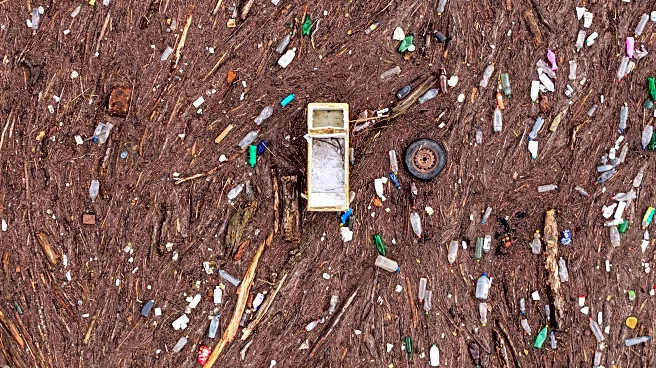
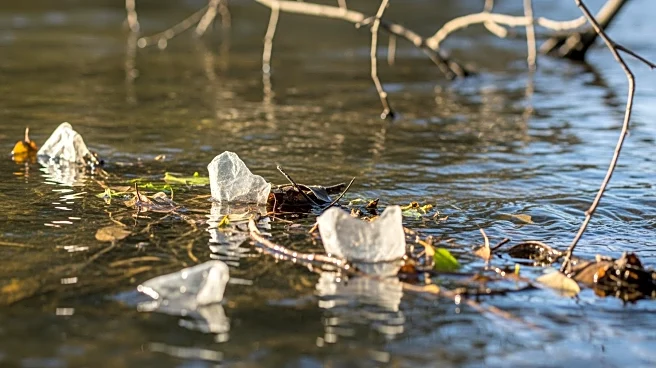
A recent study has found that the River Rhine transports between 3,010.5 to 4,707.5 tonnes of macrolitter (ML) into the North Sea annually. This figure is significantly higher than previous estimates,
which focused primarily on plastic waste. The study attributes the discrepancy to methodological differences and a longer sampling period, which provided a more comprehensive understanding of the river's litter transport. The research highlights the predominance of plastic in the litter, accounting for 69.7% by item number, and emphasizes the need for continuous monitoring to accurately assess the environmental impact.
Why It's Important?
The findings underscore the Rhine's role as a major contributor to marine pollution in Europe, highlighting the need for effective waste management strategies. The study's comprehensive approach provides a clearer picture of the types and quantities of litter being transported, which is crucial for developing targeted reduction measures. By identifying the sources and drivers of litter, policymakers can implement more effective interventions to reduce the environmental impact. This research also calls attention to the broader issue of riverine litter contributing to ocean pollution, emphasizing the need for international cooperation in addressing this global challenge.
What's Next?
The study suggests that rising discharge forecasts could be used to direct cleaning efforts, particularly in areas prone to inundation. This proactive approach could help mitigate the impact of litter during periods of increased water flow. Additionally, the research highlights the importance of continuous, long-term monitoring to improve the accuracy of litter transport estimates. Future efforts may focus on expanding the scope of monitoring to include smaller litter items and exploring the potential for citizen science projects to support data collection and public awareness.