
What's Happening?
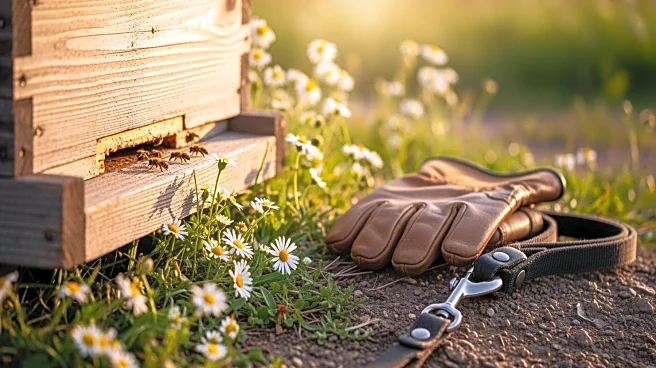
Maple, a dog with a remarkable ability to use her sense of smell, is playing a crucial role in efforts to save honeybees. According to a report by ABC News, Maple is currently in her third career, utilizing
her olfactory skills to detect diseases that threaten honeybee populations. Honeybees are vital for pollination and the overall health of ecosystems, but they face numerous threats, including diseases that can devastate colonies. Maple's work involves sniffing out these diseases, allowing for early intervention and treatment to protect the bees. This innovative approach highlights the potential for trained animals to contribute to environmental conservation efforts.
Why It's Important?
The decline of honeybee populations poses a significant threat to agriculture and biodiversity, as bees are essential pollinators for many crops and wild plants. Maple's ability to detect diseases early can help prevent the spread of infections that could lead to colony collapse. This not only aids in preserving bee populations but also supports agricultural productivity and food security. The use of dogs like Maple in conservation efforts represents a novel and effective strategy to address environmental challenges, showcasing the potential for cross-species collaboration in tackling ecological issues.
What's Next?
As Maple continues her work, there may be opportunities to expand the use of trained dogs in other areas of environmental conservation. Researchers and conservationists could explore similar methods to address different ecological threats, potentially leading to broader applications of animal-assisted interventions. Additionally, the success of Maple's efforts could inspire further investment in training programs for dogs to assist in various conservation projects, enhancing the capacity to protect vulnerable species and ecosystems.
Beyond the Headlines
The use of dogs in conservation efforts raises interesting questions about the ethical considerations of animal labor and the potential for expanding such practices. While Maple's work is beneficial, it is important to ensure that the welfare of working animals is prioritized. This development also highlights the innovative ways in which humans can collaborate with animals to address complex environmental issues, potentially leading to a greater appreciation for the interconnectedness of all species.