





What's Happening?
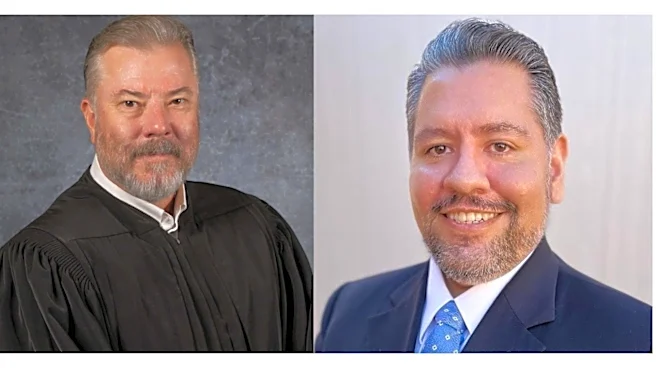
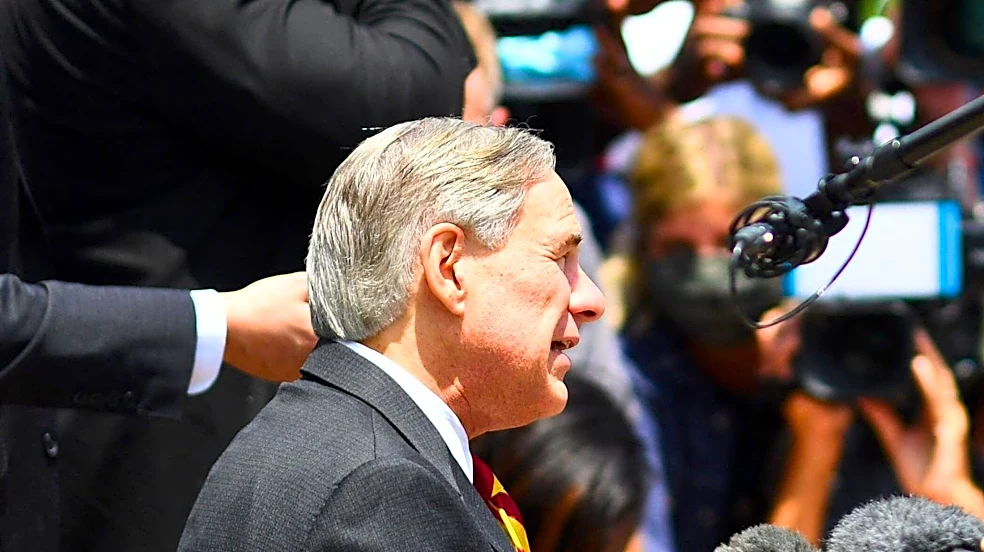
Governor Greg Abbott has announced his latest round of appointments to various state committees and commissions in Texas. This week's selections include Cynthia D. Lee, Ed.D., and Barbara Pazey, Ph.D., who were appointed to the Continuing Advisory Committee
for Special Education. Their terms are set to expire on February 1, 2027, and February 1, 2029, respectively. This committee is responsible for providing policy guidance on special education and related services for children with disabilities in Texas. Additionally, Governor Abbott reappointed Tom Sellers as Chair of the State Cemetery Committee, with his term expiring on October 12, 2028. This committee works with the State Preservation Board to manage oversight of the Texas State Cemetery. Todd Wetsel was also appointed to the Texas Veterans Commission for a term ending on December 31, 2031. The Texas Veterans Commission ensures veterans, their dependents, and survivors receive all entitled benefits and trains county officers to provide these services.
Why It's Important?
These appointments are crucial for the continued functioning and oversight of key state services and policies in Texas. The individuals selected will play a direct role in shaping and implementing policies that affect vulnerable populations, historical preservation, and veteran support. The appointments to the Continuing Advisory Committee for Special Education are particularly significant as they influence the educational framework and support systems for children with disabilities, impacting thousands of families across the state. The reappointment of Tom Sellers to the State Cemetery Committee ensures continuity in the management of a significant historical site. Furthermore, the appointment to the Texas Veterans Commission underscores the state's commitment to its veteran community, ensuring they receive essential benefits and services. These selections reflect Governor Abbott's priorities and his administration's approach to governance, influencing the direction and effectiveness of these vital state entities.
What's Next?
The newly appointed and reappointed individuals will assume their roles immediately, beginning their work on their respective committees and commissions. Their initial tasks will likely involve familiarizing themselves with ongoing initiatives, reviewing current policies, and collaborating with existing members to address pertinent issues. For the Continuing Advisory Committee for Special Education, this could mean evaluating current educational programs and proposing improvements. The State Cemetery Committee will continue its oversight responsibilities, while the Texas Veterans Commission will proceed with its mission to support veterans. These appointments are part of the regular cycle of governmental operations, ensuring that state bodies remain staffed with individuals tasked with upholding their mandates. Future actions will depend on the specific challenges and objectives identified by each committee and commission under their new leadership.
Beyond the Headlines
These appointments, while seemingly routine, have deeper implications for the state's administrative and social fabric. The selection of individuals for these roles can reflect broader ideological leanings and policy directions of the current administration. For instance, the composition of the Special Education committee can influence the philosophical approach to inclusive education and resource allocation for children with disabilities. Similarly, appointments to the Veterans Commission can signal the state's commitment to veteran welfare and the types of support services prioritized. These roles, though often out of the direct public spotlight, are instrumental in translating legislative intent into tangible services and protections for Texans. The long-term impact of these appointments will be seen in the effectiveness and equity of the services provided by these state bodies, shaping the lives of many citizens and reflecting the values of the state government.