





What's Happening?
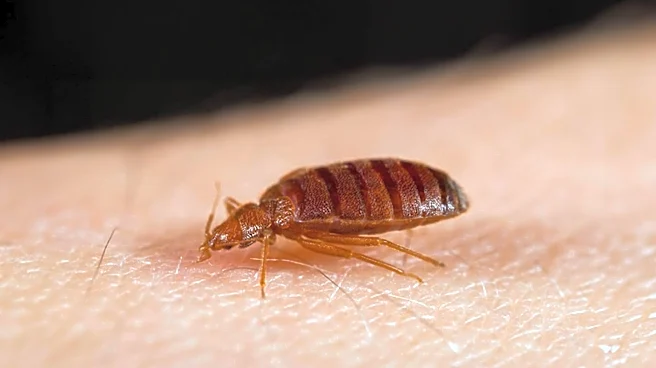
Midi Health has published an article detailing formication, a tactile paresthesia characterized by sensations of crawling, tingling, or prickling on or under the skin, often described as feeling like insects are moving on the skin when none are present.
The term 'formication' originates from the Latin word 'formica,' meaning ant. These sensations can occur when the brain processes signals as touch without an external trigger and can affect various body parts, including arms, legs, scalp, face, or back, appearing intermittently. The article distinguishes formication from typical itchiness, which usually prompts scratching and is often due to dry skin; formication typically occurs without visible skin changes, though the two can overlap. Midi Health highlights that formication can be particularly prevalent during perimenopause and menopause due to fluctuating estrogen levels, which can impact nerve function and lead to thinner, drier, and more irritable skin. Other potential causes include anxiety, certain medications, substance withdrawal, vitamin deficiencies, and nerve damage.
Why It's Important?
Understanding formication is crucial for individuals experiencing these unsettling sensations, particularly women undergoing perimenopause or menopause, as hormonal shifts are identified as a significant factor. The distinction between formication and dry skin itchiness is important for effective self-care and treatment; while moisturizing can alleviate dry skin itch, it typically does not resolve formication. The article's emphasis on treating the underlying cause underscores the need for proper diagnosis, which can prevent prolonged discomfort and unnecessary anxiety. For healthcare providers, this information can aid in differential diagnosis, especially when patients present with unexplained dermatological or neurological symptoms. Recognizing the link between formication and conditions like anxiety, medication side effects, or hormonal changes can lead to more targeted interventions, improving patient quality of life and reducing misdiagnoses.
What's Next?
Individuals experiencing persistent skin crawling sensations are advised to consult with a clinician to identify the underlying cause. Midi Health suggests that simple measures like moisturizing, maintaining healthy sleep habits, wearing loose clothing, and stress management may offer some relief, but a definitive solution often requires addressing the root issue. For those whose formication is linked to hormonal changes, anxiety, or medication, further medical evaluation may involve adjusting hormone therapies, managing anxiety through therapy or medication, or modifying existing prescriptions under medical supervision. The article implicitly encourages a proactive approach to health, urging individuals not to self-diagnose but to seek professional medical advice for a comprehensive assessment and personalized treatment plan.
Beyond the Headlines
The discussion of formication extends beyond immediate physical symptoms to touch upon broader aspects of neurological perception and the mind-body connection. The phenomenon highlights how the brain can generate tactile sensations in the absence of external stimuli, underscoring the complexity of sensory processing. The link to anxiety and stress further illustrates how psychological states can manifest as physical symptoms, emphasizing the interconnectedness of mental and physical well-being. For women in perimenopause and menopause, formication adds to the array of often-misunderstood symptoms associated with hormonal transitions, pointing to a need for greater awareness and research into the diverse impacts of hormonal fluctuations on the body. This condition also raises questions about the subjective nature of sensory experience and the challenges in diagnosing and treating conditions that lack visible physical markers.