





What's Happening?
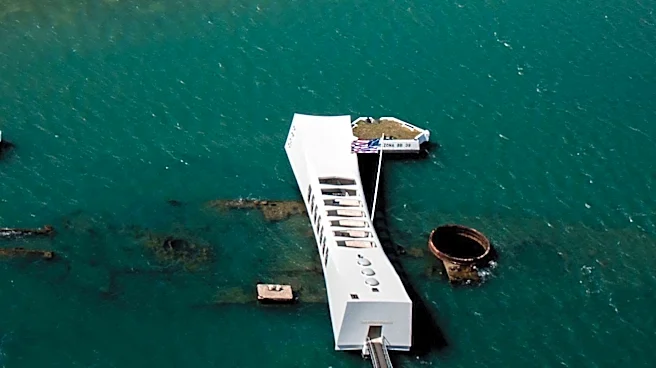
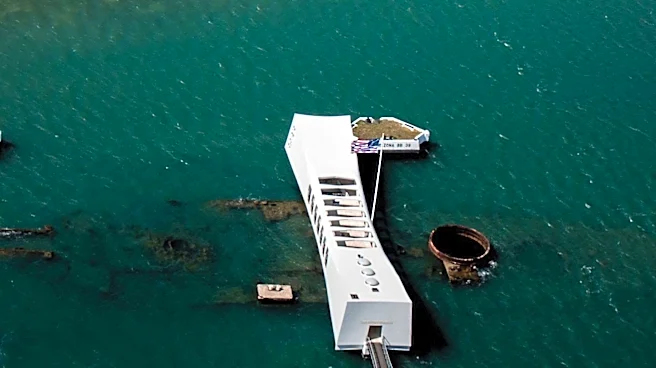
A U.S. District Judge has ruled in favor of the U.S. Navy in a lawsuit concerning fuel discharges into Pearl Harbor and Hālawa Stream. U.S. District Judge Leslie E. Kobayashi determined on October 28, 2026, that while an environmental group, Wai Ola Alliance,
had established Clean Water Act violations when the lawsuit was initially filed, subsequent repairs to the Navy's fuel infrastructure and operational changes have eliminated the reasonable likelihood of further unlawful discharges. The lawsuit, filed in June 2022, stemmed from fuel releases at two Navy piers in 2020 and 2021, which saw petroleum enter Pearl Harbor and Hālawa Stream. The Navy responded by isolating damaged pipelines, draining affected fuel lines, and initiating repairs. During the trial, the Navy presented evidence of these repairs, upgraded pressure-relief systems, new inspection procedures, and changes to maintenance oversight. Additionally, over 104 million gallons of fuel were removed from Red Hill's underground storage tanks in an operation completed without a fuel release.
Why It's Important?
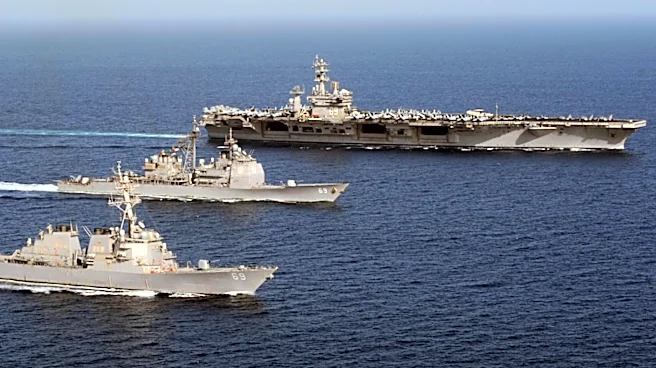
This ruling is significant for the U.S. Navy as it validates their efforts to address environmental concerns and strengthen protections at Joint Base Pearl Harbor-Hickam. The decision, welcomed by the Justice Department, acknowledges the Navy's substantial investments in infrastructure repair and operational improvements. For environmental groups like Wai Ola Alliance, the outcome highlights the challenges of pursuing legal action when corrective measures are implemented during the litigation process, potentially rendering initial claims moot. The case underscores the ongoing tension between military operations and environmental protection, particularly in historically sensitive areas like Pearl Harbor. The court's acceptance of the Navy's corrective actions as sufficient to mitigate future risks sets a precedent for how similar environmental compliance cases might be handled, emphasizing the importance of proactive remediation by federal entities.
What's Next?
While the Clean Water Act claim has been resolved in favor of the Navy, proceedings on a separate hazardous-waste claim involving Red Hill's underground fuel storage infrastructure remain suspended until August 31, 2027. This indicates that the Navy's environmental challenges at the base are not entirely concluded, and further legal scrutiny regarding the Red Hill facility is anticipated. The Navy will likely continue to monitor and maintain its upgraded infrastructure and operational protocols to prevent future incidents and ensure ongoing compliance with environmental regulations. Environmental advocacy groups will likely continue to scrutinize the Navy's long-term environmental stewardship, particularly concerning the Red Hill facility, given its history of contamination incidents affecting Oahu's drinking water.
Beyond the Headlines
The case delves into the complex legal framework surrounding environmental enforcement against federal agencies. Although the court found initial violations, the Navy's subsequent actions effectively neutralized the legal basis for ongoing relief under the Clean Water Act. This raises questions about the timing and effectiveness of environmental lawsuits in compelling long-term change versus immediate remediation. The incident also highlights the broader issue of aging infrastructure within military installations and the substantial resources required to upgrade and maintain these systems to meet modern environmental standards. The Red Hill fuel contamination incident, mentioned as a separate but related issue, underscores the critical importance of robust oversight and maintenance for facilities that pose a risk to public health and the environment, particularly those impacting vital resources like drinking water.