


What's Happening?
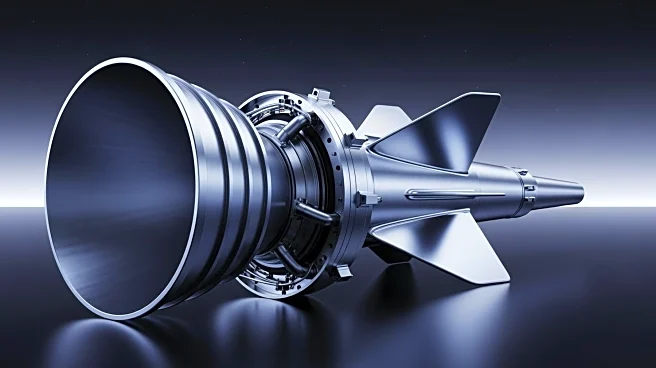
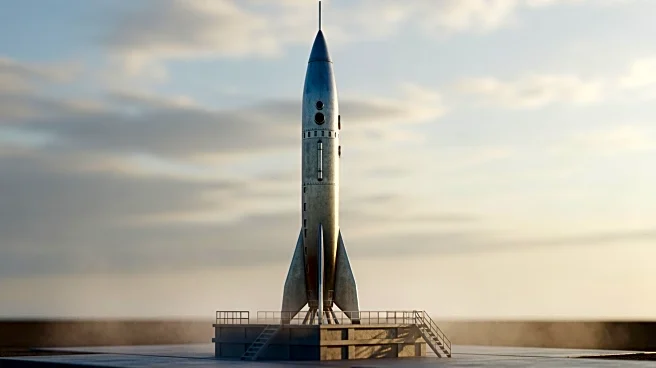
NASA is commemorating the centennial of liquid-fueled rocket technology, marking 100 years since Dr. Robert H. Goddard's successful test on March 16, 1926. This historic launch, conducted in Auburn, Massachusetts, used liquid oxygen and gasoline to propel
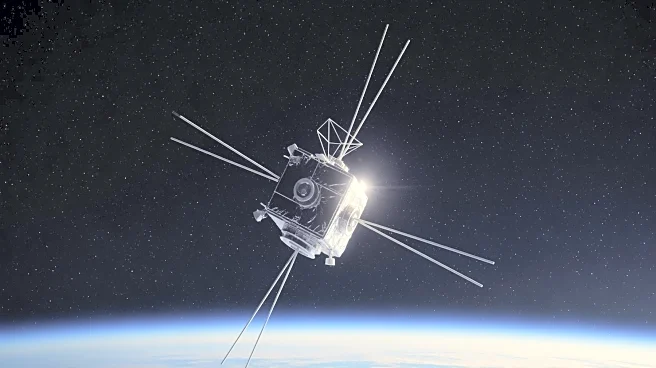
a rocket, reaching an altitude of 41 feet. Although modest, this event laid the groundwork for modern space exploration. Goddard's innovations in rocket steering, fuel pumps, and engine control have been pivotal in advancing space travel. His work has enabled missions to the Moon and beyond, as well as the launch of satellites that enhance global communication and navigation.
Why It's Important?
The development of liquid-fueled rockets has been a cornerstone of space exploration, enabling humanity to reach beyond Earth and explore the cosmos. Goddard's pioneering work has had a lasting impact on the aerospace industry, influencing the design and functionality of modern rockets. This centennial celebration not only honors Goddard's contributions but also highlights the ongoing importance of innovation in space technology. As space exploration continues to evolve, the principles established by Goddard remain relevant, guiding future advancements and missions.