







What's Happening?
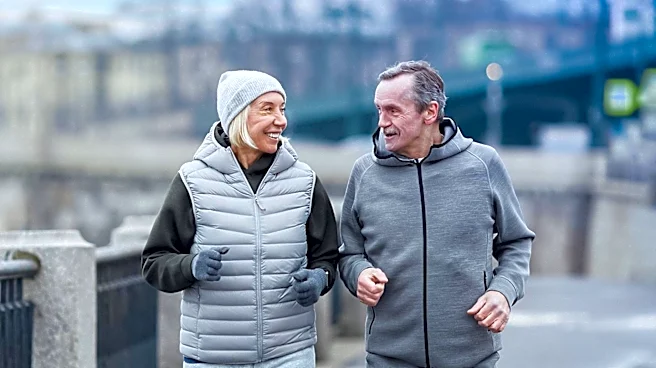
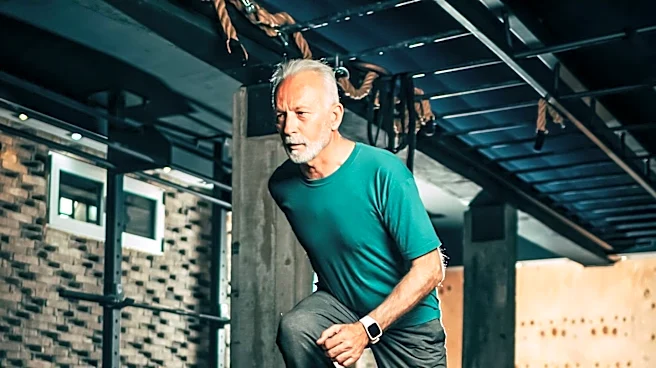
A reanalysis of the Generation 100 study, published in Medicine & Science in Sports & Exercise, indicates that older adults who consistently engage in high-intensity training (HIT) experience a slower decline in aerobic fitness compared to those performing
moderate-intensity training (MIT). The original study, which involved participants aged 70 to 77 in Trondheim, Norway, initially randomized individuals into groups following public health guidelines, or supervised moderate or intense exercise sessions over five years. The reanalysis focused on what participants actually did, as reported in exercise questionnaires, selecting 500 individuals who consistently performed either moderate or high-intensity exercise. While all participants in their 70s experienced some fitness loss, the high-intensity group showed a significantly reduced rate of decline in VO2 max. Specifically, after five years, the HIT group was 3.1 percent lower than baseline, whereas the MIT group was 7.7 percent lower. For women in the HIT group, fitness levels were nearly back to baseline after five years, demonstrating a more pronounced benefit.
Why It's Important?
This research holds significant implications for public health recommendations and exercise guidelines for the aging U.S. population. As the demographic of older adults continues to grow, maintaining physical fitness is crucial for independent living, reducing healthcare costs, and improving overall quality of life. The findings challenge the notion that only moderate exercise is suitable for seniors, suggesting that pushing harder, within reasonable limits, can yield greater benefits in preserving aerobic capacity. This could lead to revised exercise prescriptions from healthcare providers and fitness professionals, encouraging older adults to incorporate more vigorous activities into their routines. For the healthcare industry, a healthier aging population could translate to decreased demand for certain age-related medical interventions and long-term care services. Furthermore, it could empower older individuals to remain active and engaged in society for longer, contributing to economic productivity and social well-being.
What's Next?
The findings from this reanalysis are likely to spark further discussion and research into optimal exercise intensities for older adults. Future studies may aim to refine guidelines, explore the specific types of high-intensity exercises that are most beneficial and safe for this demographic, and investigate the long-term health outcomes beyond aerobic fitness. Public health organizations and medical associations in the U.S. may review their current recommendations for senior exercise, potentially incorporating advice on safely integrating higher intensity workouts. Fitness programs tailored for older adults could begin to offer more varied and challenging options, moving beyond solely moderate activities. Additionally, there may be increased interest in developing personalized exercise plans that consider individual health conditions and fitness levels to maximize the benefits of high-intensity training while minimizing risks.
Beyond the Headlines
Beyond the immediate health benefits, this study touches upon broader societal perceptions of aging and physical capability. It challenges the often-held belief that aging inherently means a significant and unavoidable decline in physical prowess, suggesting that proactive and intense physical activity can substantially mitigate this decline. This could foster a cultural shift towards encouraging more ambitious fitness goals for older adults, potentially leading to greater participation in sports and active lifestyles later in life. Ethically, it raises questions about equitable access to resources and guidance for older adults to safely engage in high-intensity training, particularly for those with pre-existing health conditions or limited financial means. The long-term implications could include a re-evaluation of retirement age and workforce participation, as a healthier and more capable older population may choose to remain professionally active for longer, impacting labor markets and social security systems.