





What's Happening?
Cold weather can significantly increase blood pressure, particularly in middle-aged and elderly individuals, due to the body's natural response to limit heat loss. When exposed to low temperatures, peripheral blood vessels constrict, which increases resistance
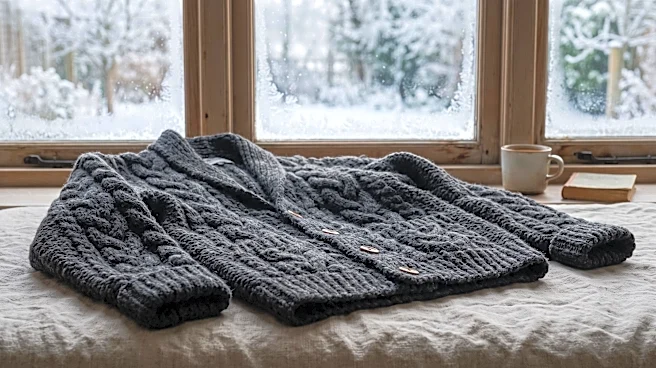
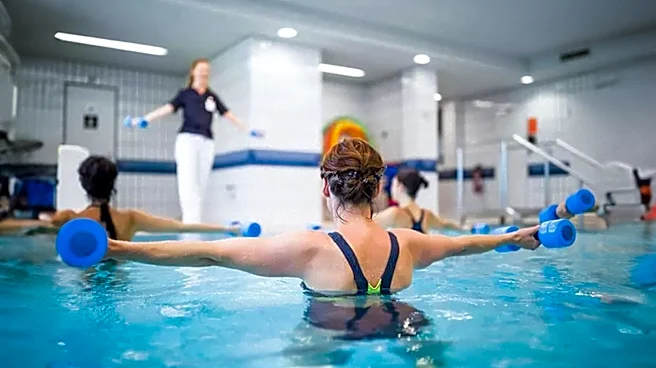
to blood flow and can elevate blood pressure. While healthy individuals can regulate this change, older adults and those with underlying cardiovascular conditions may have less effective regulatory processes. Experts advise these groups to take specific precautions to minimize the risk of high blood pressure and associated complications like stroke and heart attack. Key recommendations include keeping the body warm by dressing in layers, maintaining a healthy lifestyle with a lower-salt diet rich in vegetables and whole grains, engaging in regular indoor exercise suitable for fitness levels, ensuring adequate sleep, and managing stress. Regular blood pressure monitoring and strict adherence to prescribed treatments are also crucial.
Why It's Important?
The heightened risk of hypertension in cold weather for middle-aged and elderly populations has significant public health implications in the U.S. Uncontrolled high blood pressure can lead to severe cardiovascular events, increasing emergency room visits, hospitalizations, and healthcare costs. This issue disproportionately affects older adults, who often have pre-existing conditions, making them more vulnerable. Public awareness and adherence to these preventative measures can reduce the incidence of winter-related cardiovascular emergencies, thereby alleviating strain on the healthcare system. Furthermore, promoting healthy lifestyle choices, such as diet and exercise, can have broader benefits for overall population health, extending beyond just blood pressure management in cold weather. The advice underscores the importance of proactive health management, especially for at-risk demographics, to ensure their safety and well-being during colder months.
What's Next?
Individuals in the at-risk demographic are advised to implement these preventative strategies immediately as cold weather sets in. This includes adjusting clothing habits, modifying diets, and consulting with healthcare providers to ensure their blood pressure management plan is adequate for winter conditions. Healthcare systems and public health organizations may increase their outreach efforts to educate these populations about the risks and necessary precautions. Pharmacists and primary care physicians will likely reinforce these messages during routine check-ups. Continued monitoring of blood pressure and prompt consultation with doctors for any abnormal readings will be critical. Future public health campaigns might focus on specific regional weather patterns and tailor advice accordingly, ensuring that communities are well-prepared for seasonal health challenges.
Beyond the Headlines
The physiological response of vasoconstriction in cold weather highlights the intricate interplay between environmental factors and human health, particularly in vulnerable populations. This phenomenon underscores the concept of environmental medicine, where external conditions directly influence internal bodily functions. The advice to maintain a healthy lifestyle, including diet and exercise, transcends seasonal recommendations, reinforcing the idea that foundational health practices are crucial year-round but become critically important under specific environmental stressors. This situation also brings to light potential disparities in health outcomes, as individuals with limited resources may struggle to maintain adequately warm living environments or access nutritious foods, exacerbating their risk. Addressing these broader socioeconomic determinants of health is essential for truly mitigating the impact of cold weather on hypertension and overall well-being.