



What's Happening?
Riyadh, Saudi Arabia, is poised for significant growth in its tourism and hospitality sectors, driven by an anticipated 93% increase in international leisure tourism by 2030. This projection, highlighted in a new Tourism Economics report presented at WTM
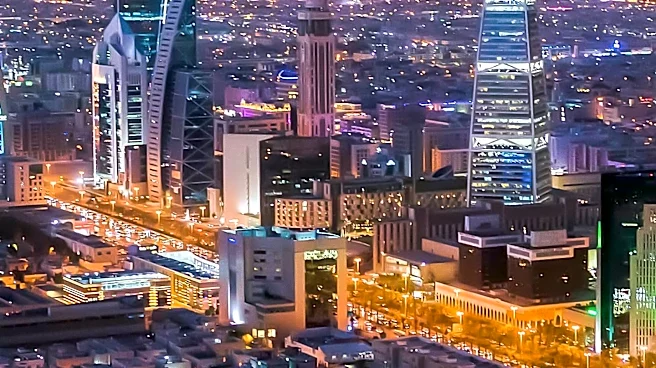
Spotlight Riyadh, positions Saudi Arabia as one of the fastest-growing tourism markets globally. The city is actively preparing for major international events, including Expo 2030 and the 2034 FIFA World Cup, which are expected to substantially boost international visitor demand and accelerate the development of tourism infrastructure. Riyadh's hospitality sector is rapidly expanding to accommodate this rising demand, with forecasts indicating an 18.6% increase in revenue per available room (RevPAR) by 2027. The city's tourism strategy is evolving to attract new segments beyond traditional business and religious tourism, focusing on luxury, cultural, adventure, and leisure travel experiences. This shift is part of Saudi Arabia's broader Vision 2030 strategy, aiming to diversify its economy and establish itself as a global tourism powerhouse.
Why It's Important?
This projected surge in tourism for Riyadh and Saudi Arabia holds significant implications for the global travel industry and regional economic development. The 93% growth in international leisure tourism by 2030 far surpasses the anticipated global average of 30% and the Middle East's 64%, indicating a major shift in global tourism patterns. This expansion is crucial for Saudi Arabia's Vision 2030, which seeks to reduce reliance on oil and foster new economic drivers. The substantial investment in infrastructure, hospitality, and entertainment is creating numerous opportunities for international businesses and investors in the tourism sector. The focus on diverse tourism segments, including luxury and cultural experiences, aims to attract a broader demographic of travelers, increasing the country's share of global tourism spending. The development of new destinations like Diriyah and the Red Sea region, alongside Riyadh's preparations for mega-events, will enhance the country's appeal as a premier travel destination, potentially reshaping regional tourism dynamics and competition.
What's Next?
In the immediate future, Riyadh will continue its intensive preparations for Expo 2030 and the 2034 FIFA World Cup, which will involve accelerated infrastructure development, including new hotels, transportation networks, and entertainment venues. The hospitality sector is expected to see continued rapid expansion to meet the projected increase in visitor numbers, with a focus on high-value international leisure travelers. Efforts will also concentrate on strengthening international connectivity and aviation capacity to facilitate easier access for global tourists. The Saudi Tourism Authority will likely continue its marketing campaigns, such as 'Saudi, Welcome to Arabia,' to showcase the country's diverse offerings and attract new visitor segments. Furthermore, the focus on attracting key markets like China, with tailored experiences for high-net-worth and luxury travelers, will be a strategic priority. The ongoing development of cultural and heritage sites, alongside luxury resorts, will aim to solidify Saudi Arabia's position as a multifaceted global tourism destination.
Beyond the Headlines
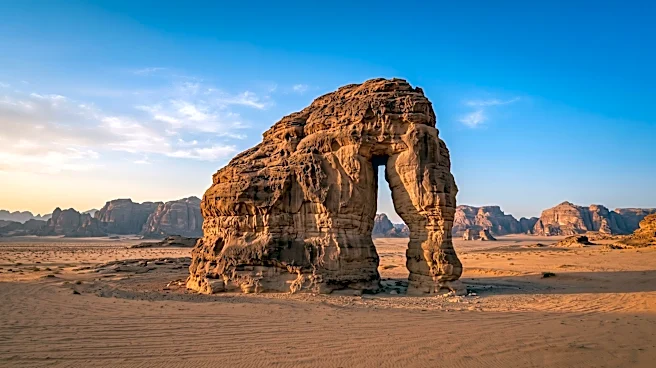
The transformation of Riyadh and Saudi Arabia into a major global tourism hub extends beyond economic figures, touching upon significant cultural and societal shifts. The emphasis on leisure, cultural, and adventure tourism represents a deliberate effort to open the country to a wider international audience, potentially fostering greater cross-cultural understanding and exchange. This pivot also signifies a modernization of Saudi Arabia's image on the global stage, moving beyond its traditional associations with religious tourism and oil. The development of new destinations and experiences, such as those in AlUla and the Red Sea, highlights a commitment to preserving and showcasing the country's rich heritage and natural beauty while integrating sustainable tourism practices. The success of these initiatives could serve as a model for other nations seeking to diversify their economies through tourism, while also presenting challenges related to cultural preservation, environmental impact, and managing rapid social change.