







What's Happening?
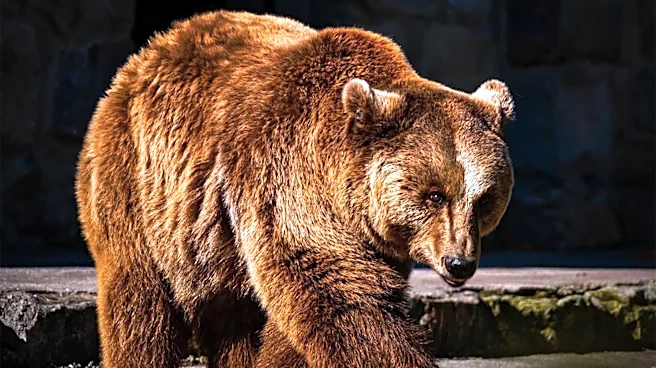
A bear that had been observed roaming residential areas in Cache Valley, Utah, for several days was euthanized by the Utah Division of Wildlife Resources (DWR). The bear was captured on video near Nibley and was believed to be the same animal sighted
in Paradise and Logan earlier in the week. According to Crystal Ross, conservation outreach manager for the DWR's northern region, bears that lose their fear of humans and spend extended periods in residential zones can become aggressive and dangerous, posing a risk to public safety. Although the DWR stated the bear had not caused any damage or injured anyone, its presence in populated areas necessitated intervention. The bear was tranquilized, and during this process, it was determined to be two years old and suffering from a dangerously high body temperature of around 107 degrees. Despite efforts, including pouring water on the animal, the DWR ultimately made the decision to euthanize it. Ross expressed that euthanizing wildlife is a difficult but sometimes necessary part of their job.
Why It's Important?
The euthanasia of the bear in Cache Valley highlights the increasing challenges faced by wildlife management agencies in the U.S. as human populations expand into natural habitats. This incident underscores the delicate balance between wildlife conservation and public safety. When wild animals, particularly large predators like bears, become habituated to human environments, they can pose significant risks to residents and pets. The DWR's decision, while difficult, reflects a protocol designed to prevent potential conflicts and ensure community safety. This situation also brings attention to the broader issue of human-wildlife coexistence and the need for public education on how to minimize encounters with wildlife, such as securing food sources and managing waste. The incident serves as a reminder of the consequences when these boundaries are blurred, impacting both animal welfare and human well-being in affected U.S. communities.
What's Next?
Following this incident, it is likely that the Utah Division of Wildlife Resources will continue to monitor bear activity in residential areas and reinforce public awareness campaigns regarding human-wildlife interactions. These campaigns typically advise residents on measures to prevent attracting bears, such as properly storing garbage, cleaning barbecue grills, and avoiding leaving pet food outdoors. There may also be increased discussions among local authorities and wildlife experts about long-term strategies for managing wildlife populations in areas experiencing urban sprawl. The DWR may also review its protocols for handling such situations to ensure the most humane and effective outcomes. Continued vigilance and community cooperation will be crucial in mitigating future conflicts between humans and wildlife in Utah and similar regions across the U.S.
Beyond the Headlines
This event touches upon deeper ecological and ethical considerations surrounding wildlife management in the U.S. The decision to euthanize a healthy animal, even one posing a potential threat, often sparks debate about the ethics of human intervention in natural processes. It reflects a broader tension between conservation ideals and the practical realities of managing wildlife in increasingly human-dominated landscapes. The incident also highlights the impact of climate change and habitat loss, which can push wildlife into closer proximity with human settlements in search of food and resources. The DWR's statement about the bear's high temperature suggests potential environmental stressors. This situation underscores the need for comprehensive land-use planning and conservation efforts that consider the needs of both human communities and wildlife, aiming for sustainable coexistence rather than reactive measures.