






What's Happening?
Following confirmed cases of New World screwworm (NWS) in Doña Ana County, the New Mexico Livestock Board has established additional animal inspection and travel requirements to prevent the spread of the parasitic fly. New World screwworm larvae infest
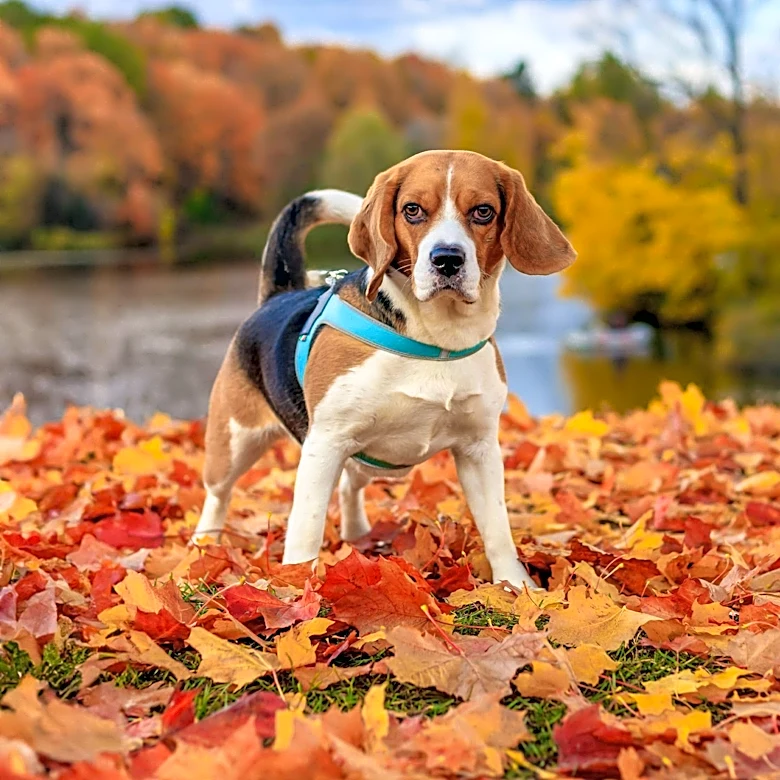
wounds in warm-blooded animals, including pets, livestock, and wildlife. For individuals traveling with pets from an infested zone, such as Doña Ana County, veterinary inspections are strongly recommended, and pets should be found free of NWS infestation before travel. Pets with wounds or other risk factors require special attention, and Movement Certificates may be necessary depending on the destination and applicable requirements. These certificates, issued by licensed and accredited veterinarians or authorized NWS inspectors, must be submitted at least 48 hours before travel. The New Mexico State University (NMSU) Cooperative Extension Service is hosting a Pet Travel Inspection Clinic on November 17-18 to assist students, faculty, and staff with these new requirements.
Why It's Important?
The implementation of new animal travel requirements in New Mexico is a critical measure to contain the spread of the New World screwworm, which poses a significant threat to animal health and the state's agricultural economy. The parasite's ability to infest and potentially kill warm-blooded animals, including livestock, could lead to substantial economic losses for ranchers and farmers. For pet owners, the new regulations mean additional steps and potential costs for veterinary inspections and certifications, especially during holiday travel periods. The NMSU clinic aims to mitigate some of these challenges by providing convenient and affordable inspection services. These measures highlight the serious nature of the outbreak and the proactive steps being taken by state authorities to protect animal populations and prevent further economic and health impacts. The situation also underscores the importance of public awareness and compliance with animal health guidelines to ensure effective containment.
What's Next?
The new travel requirements will remain in effect as New Mexico authorities continue to monitor the New World screwworm situation. Travelers with pets from or through infested zones should plan ahead, contact their veterinarians, and obtain any necessary Movement Certificates. The NMSU Pet Travel Inspection Clinic will provide immediate assistance for the Thanksgiving holiday period, but long-term solutions will require sustained public education and veterinary support. Destination states may also have additional requirements, necessitating travelers to check specific regulations. The New Mexico Livestock Board will likely continue to update its guidelines based on the evolving situation and in coordination with federal agencies like the U.S. Department of Agriculture. The success of these measures will depend on widespread adherence and the continued efforts of animal health professionals and the community to prevent further spread of the parasite.
Beyond the Headlines
The New World screwworm outbreak and the resulting travel restrictions in New Mexico illustrate the broader challenges of managing animal diseases in a highly mobile society. The need for Movement Certificates and veterinary inspections adds a layer of complexity to pet ownership and travel, reflecting a shift towards more stringent biosecurity protocols. This situation also highlights the economic burden placed on individuals and institutions, as veterinary appointments and certifications incur costs and require planning. The proactive response by NMSU to offer a travel inspection clinic demonstrates the role of educational institutions in supporting community health during crises. Ultimately, this event underscores the delicate balance between facilitating travel and trade, and implementing necessary controls to protect animal health and prevent the re-establishment of eradicated diseases, emphasizing the need for adaptable and responsive public health frameworks.