







What's Happening?
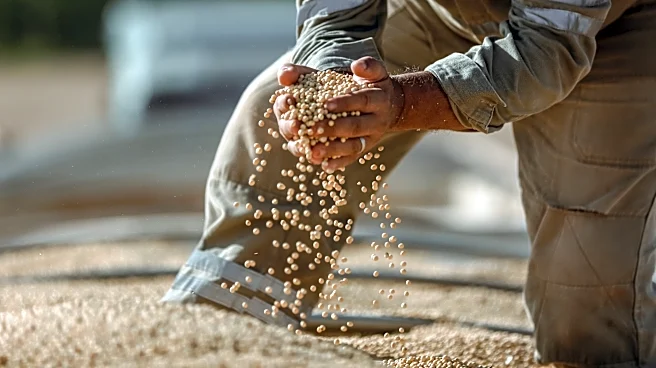
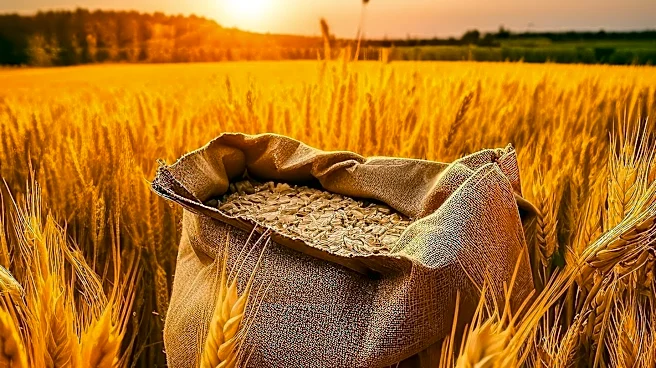
A severe heatwave in June has resulted in significant agricultural losses across Europe, with grain farmers facing an estimated €2bn in lost revenue. The heatwave destroyed approximately 9 million tonnes of crops, including wheat, barley, maize, and oats.
This reduction in crop yield is expected to lead to the smallest harvest since 2018 for the EU and the UK. The Energy and Climate Intelligence Unit (ECIU) has highlighted the impact on European food security, as the continent may become more reliant on grain imports, potentially driving up global commodity prices.
Why It's Important?
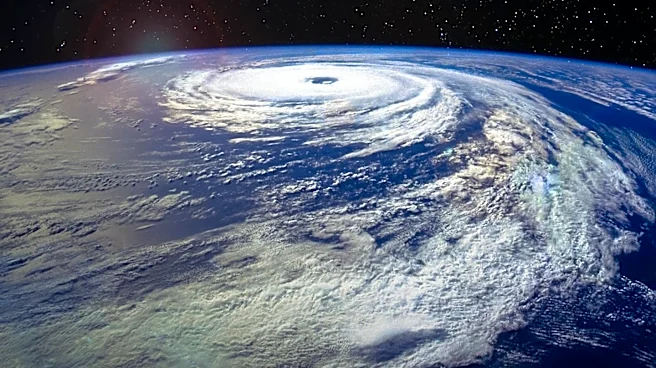
The agricultural losses due to the heatwave underscore the vulnerability of food systems to extreme weather events, which are becoming more frequent due to climate change. The financial impact on farmers is significant, reducing their income and threatening food security in Europe. The situation also highlights the interconnectedness of global food markets, as reduced European grain production could lead to higher prices worldwide. This development emphasizes the need for resilient agricultural practices and climate adaptation strategies to mitigate the effects of such extreme weather events.
What's Next?
The reliance on grain imports is expected to increase, which could affect global commodity prices. European countries may need to invest in more resilient agricultural practices and infrastructure to withstand future climate shocks. Policymakers and industry stakeholders will likely focus on developing strategies to enhance food security and reduce dependency on imports. The situation also calls for international cooperation to address the broader challenges posed by climate change on global food systems.