






What's Happening?
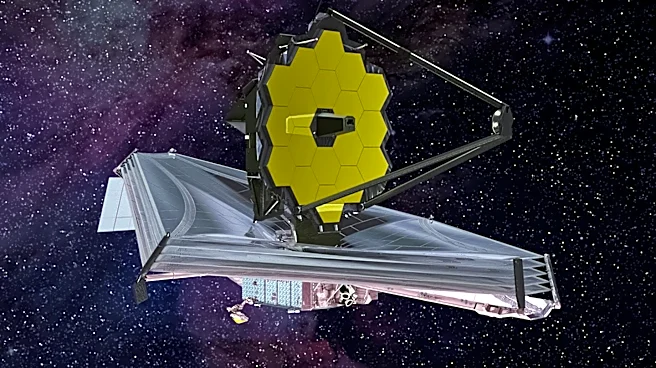
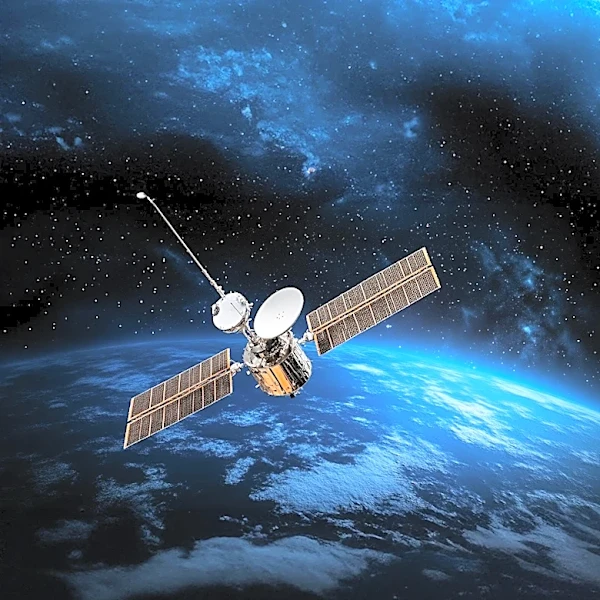
NASA is preparing to launch the Nancy Grace Roman Space Telescope on August 30, 2026. This mission is expected to significantly expand the known catalog of exoplanets, potentially discovering around 100,000 new planets in a single mission. The telescope's
Wide Field Instrument, a 300-megapixel infrared camera, will survey large areas of the sky, focusing on the Galactic bulge. This approach will utilize gravitational microlensing and transit techniques to detect planets, including those far from their stars or even rogue planets. The Roman Telescope will operate from the Sun-Earth L2 region, providing a stable environment for its infrared surveys.
Why It's Important?
The Roman Space Telescope's mission is poised to transform our understanding of exoplanets by providing a comprehensive census of planetary bodies across the Milky Way. This could redefine the scale of the exoplanet catalog, which currently lists just over 6,300 confirmed planets. The mission's findings will offer insights into the distribution and types of planets, potentially revealing variations in planetary populations across different regions of the galaxy. This data is crucial for understanding the formation and evolution of planetary systems, which has implications for the search for habitable worlds and the study of planetary environments.
What's Next?
Following its launch, the Roman Space Telescope will undergo a series of environmental and system-level checks before beginning its mission. The data collected will require extensive analysis and follow-up to confirm and characterize the detected exoplanets. The mission's success could lead to further advancements in space telescope technology and methodologies for studying distant planetary systems. The scientific community will likely focus on integrating Roman's findings with existing data to build a more complete picture of the galaxy's planetary demographics.