



What's Happening?
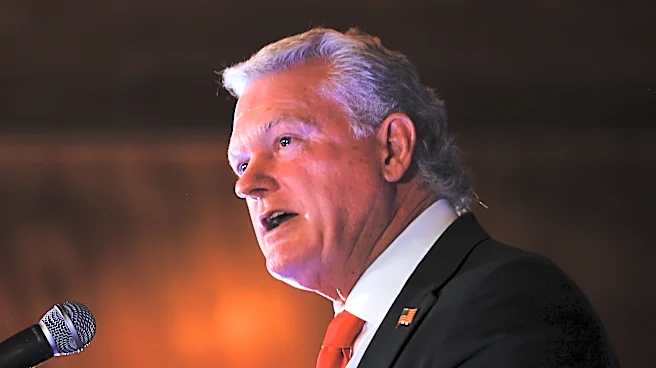
The Texas Senate race between Republican Attorney General Ken Paxton and Democratic State Representative James Talarico is projected to become the most expensive race of the 2026 election cycle, with spending expected to reach $446 million. According
to AdImpact, this race is part of a broader trend of increased political advertising spending, which is anticipated to reach $11.6 billion for the 2026 cycle, surpassing the previous record set in 2024. The surge in spending is driven by high-profile contests and the competitive nature of the elections, with significant investments in key states like California, Michigan, and Ohio. The Texas race is particularly notable due to its open seat status, attracting substantial financial contributions from outside groups on both sides.
Why It's Important?
The unprecedented spending in the Texas Senate race underscores the high stakes of the 2026 elections, which could reshape the political landscape in Washington. With Republicans currently holding the House and Senate, Democrats are aiming to make gains that could challenge GOP control and impact President Trump's legislative agenda. The financial influx into these races highlights the strategic importance of Texas and other key states in determining congressional control. The outcome of these elections could influence policy decisions on a national scale, affecting various sectors including healthcare, education, and economic policy.
What's Next?
As the election approaches, both parties are expected to intensify their efforts to secure victories in pivotal races. The focus will likely remain on fundraising and strategic advertising to sway undecided voters. The Texas Senate race, in particular, will be closely watched as a bellwether for broader national trends. Political analysts and stakeholders will monitor how the influx of money influences voter turnout and election outcomes. Additionally, the role of digital platforms and connected TV in political advertising will continue to evolve, potentially setting new precedents for future election cycles.