


What's Happening?
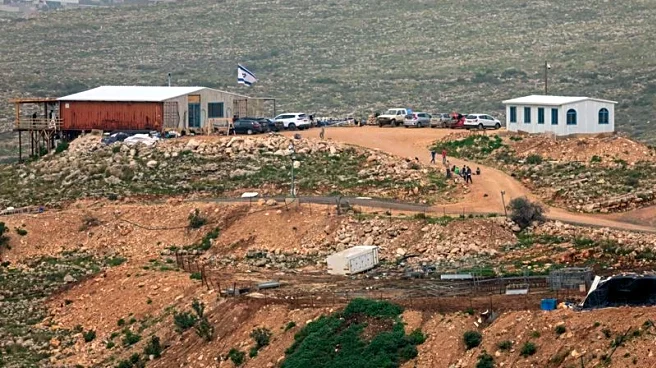
US forces have evacuated the al-Tanf military base in eastern Syria, relocating troops to Jordan. This strategic base, located at the tri-border area of Syria, Jordan, and Iraq, was established in 2014 as a key hub for operations by the global coalition
against Islamic State terrorists. The withdrawal involved the removal of equipment over a 15-day period, with US forces continuing coordination from Jordan. The relocation comes amid heightened regional tensions, including threats from an Iranian MP urging Jordanians to seize control of a US military base in Jordan. The al-Tanf base has been significant for hosting evacuated personnel following ISIS attacks and for its strategic position in countering regional threats.
Why It's Important?
The relocation of US forces from the al-Tanf base to Jordan marks a significant shift in military strategy in the region. This move could impact the US's ability to conduct operations against ISIS and other threats in Syria and the broader Middle East. The strategic withdrawal may also reflect changing priorities or responses to regional dynamics, including threats from Iran. The presence of US forces in Jordan is not new, but the consolidation of troops there could strengthen US-Jordan military cooperation. However, it also raises concerns about the stability of the region and the potential for increased tensions with Iran, which has expressed hostility towards US military presence in the Middle East.
What's Next?
The relocation of US forces to Jordan is likely to lead to increased military collaboration between the US and Jordan. However, it may also provoke further reactions from Iran, which has already issued threats against US bases in the region. The US military's strategic adjustments could lead to changes in how operations against ISIS and other threats are conducted. Additionally, the move may influence diplomatic relations in the region, as neighboring countries respond to the shifting US military presence. Monitoring the situation will be crucial to understanding the broader implications for regional security and US foreign policy.