







What's Happening?
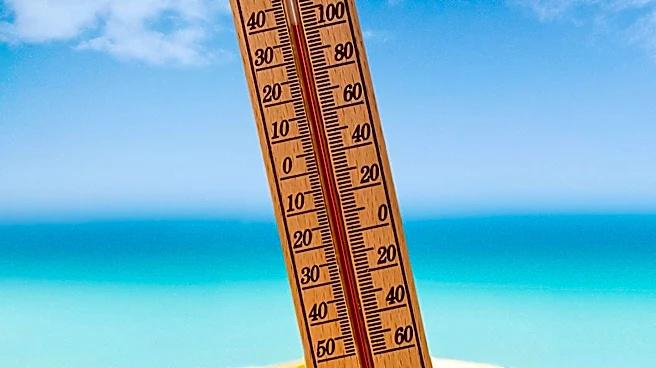
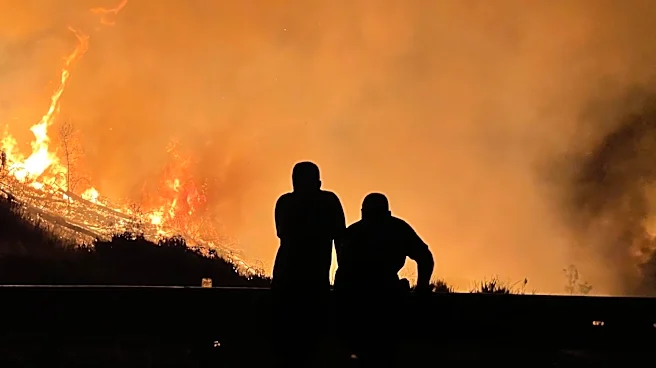
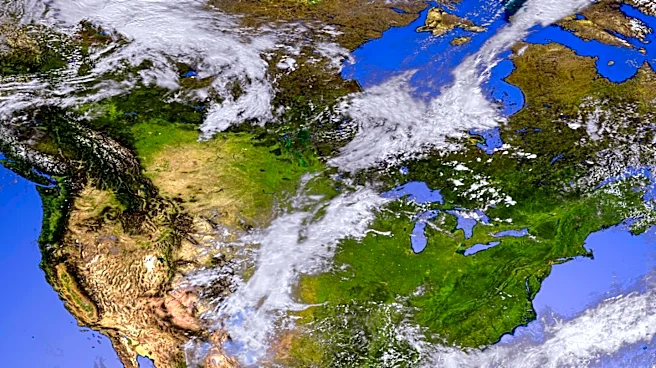
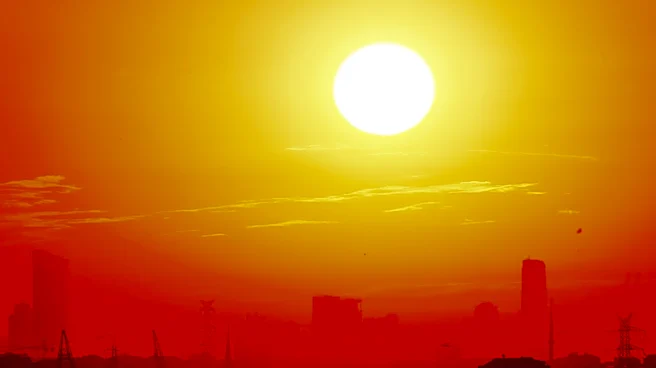
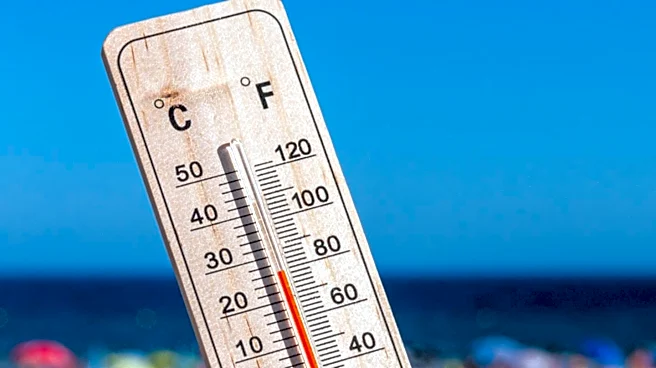
The United States is currently experiencing a severe heat wave, particularly affecting the eastern regions, with temperatures soaring to unprecedented levels. This heat wave is part of a broader pattern of extreme weather events linked to global warming.
The phenomenon is exacerbated by intense heat domes, which are areas of high pressure that trap hot air. The strengthening of El Niño and record-high ocean temperatures are contributing factors. Cities like Washington, D.C., New York, and Philadelphia are witnessing record-breaking temperatures, with Washington, D.C. expected to experience its hottest July Fourth on record. The heat wave has prompted cities to open cooling centers and implement heat-safety measures to protect vulnerable populations.
Why It's Important?
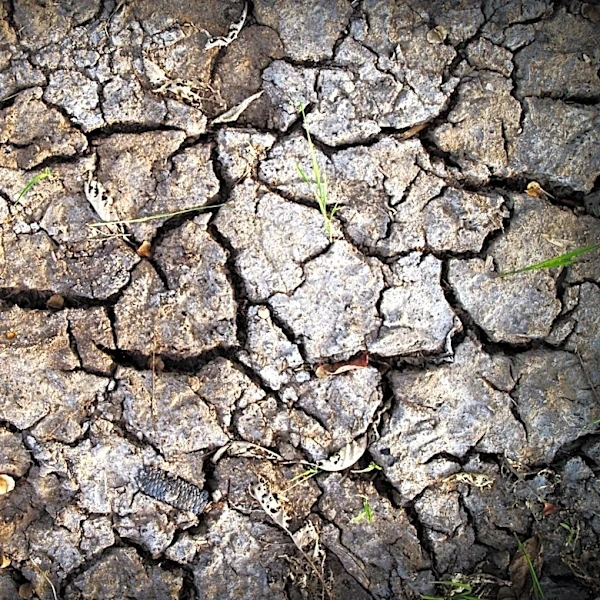
The current heat wave underscores the growing impact of climate change on weather patterns, with extreme heat events becoming more frequent and severe. This has significant implications for public health, infrastructure, and the economy. Vulnerable populations, such as the elderly and those without access to air conditioning, are at increased risk of heat-related illnesses. The economic impact includes increased energy demand and potential disruptions to outdoor activities and events. The situation highlights the urgent need for climate adaptation strategies and policies to mitigate the effects of global warming.
What's Next?
As the heat wave continues, cities are likely to maintain and possibly expand their emergency response measures. The ongoing El Niño is expected to further influence weather patterns, potentially leading to more extreme heat events in the coming months. Policymakers and climate scientists will continue to monitor these developments closely, emphasizing the need for long-term strategies to address climate change and its impacts.