







What's Happening?
Effective waste management extends beyond simple rubbish collection, encompassing waste prevention, material sorting for recycling, product reuse, and appropriate treatment of discarded items. Improper waste management leads to significant environmental
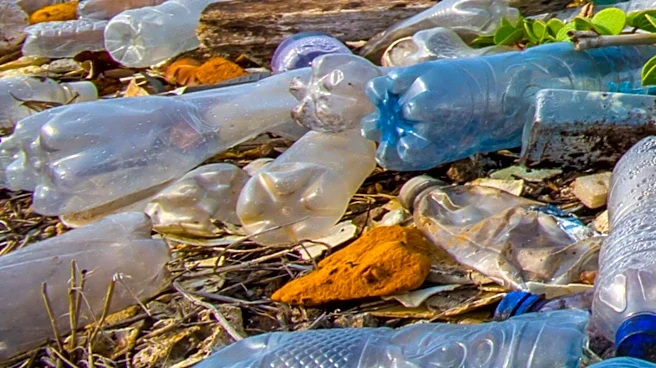
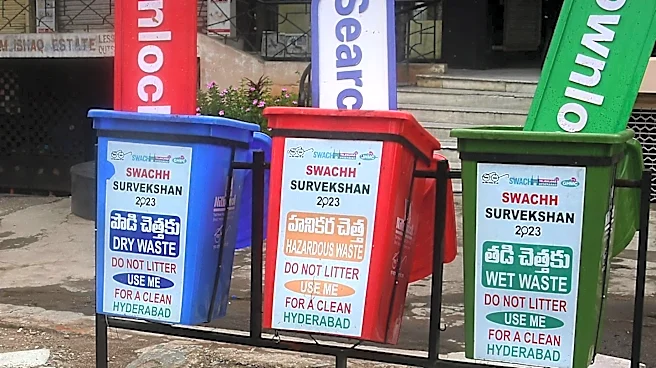
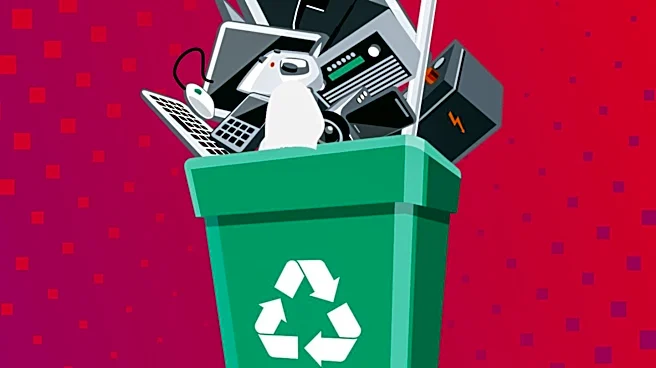
issues, including soil and water contamination from plastics and chemicals. Plastic pollution, in particular, poses a long-term threat as plastics break down into microplastics, harming wildlife and ecosystems. Landfills contribute to greenhouse gas emissions through methane production from decomposing organic matter. Additionally, hazardous waste like batteries and electronics requires specialized disposal to prevent environmental harm. Recycling plays a crucial role by recovering valuable materials such as aluminum, paper, glass, and certain plastics, reducing the need for virgin resources and conserving energy. However, the effectiveness of recycling depends on proper sorting and adherence to local guidelines, as contaminated materials can hinder the process. Businesses, like households, generate substantial waste and can benefit from professional waste management services to optimize collection, sorting, and material recovery.
Why It's Important?
Proper waste management is vital for protecting the environment, conserving natural resources, and safeguarding public health. Environmentally, it mitigates pollution of soil, water, and air, reducing the impact of harmful substances and greenhouse gases. Resource conservation is achieved through recycling, which lessens the demand for raw materials and the energy required for their extraction and processing. For public health, effective waste management prevents the accumulation of rubbish that attracts pests, generates odors, and fosters the growth of harmful microorganisms, especially in densely populated areas. It also reduces direct safety hazards for waste collection workers and the public from items like broken glass or damaged batteries. Implementing robust waste management practices supports the transition towards a circular economy, where materials are kept in use for longer, reducing overall waste generation and promoting sustainability. This systemic approach benefits communities by creating cleaner environments and more efficient resource utilization.
What's Next?
The ongoing focus will be on improving waste management practices through increased public awareness and stricter adherence to recycling guidelines. Local authorities and recycling organizations will continue to collaborate with households and businesses to enhance waste separation and collection systems. Businesses are expected to further integrate waste reduction strategies into their operations, from reviewing purchasing decisions to optimizing internal sorting processes. The development and adoption of innovative technologies for waste treatment and material recovery will also be crucial. Furthermore, there will be a continued push towards circular economy principles, encouraging the repair, reuse, and refurbishment of products to extend their lifespan before recycling. This collective effort aims to reduce reliance on newly extracted raw materials and minimize the environmental footprint of consumption and disposal.
Beyond the Headlines
Beyond the immediate environmental and health benefits, effective waste management has broader implications for economic development and social equity. A robust waste management infrastructure can create jobs in collection, sorting, processing, and manufacturing of recycled goods. It also fosters innovation in sustainable materials and waste-to-energy technologies. From an ethical standpoint, responsible waste management reflects a commitment to intergenerational equity, ensuring that future generations inherit a healthier planet with sufficient resources. Culturally, it promotes a shift in consumer behavior towards more conscious consumption and a greater appreciation for resource value. Legal frameworks will likely evolve to support these changes, potentially including extended producer responsibility schemes that hold manufacturers accountable for the lifecycle of their products. This holistic approach to waste management can drive significant long-term societal and economic transformations.